

Introduction: The Rising Demand for Eco-Friendly Cat Litter Solutions
As pet ownership surges globally, the demand for sustainable cat litter has skyrocketed. Traditional clay-based litters, while common, contribute to environmental degradation due to their non-biodegradable nature and mining-intensive production. In response, pet owners and businesses are turning to biodegradable cat litter pellets made from natural materials like wood, paper, or agricultural waste.
This shift has fueled the growth of the cat litter pellet machine market—a specialized equipment category designed to transform raw materials into clean, absorbent, and eco-friendly pellets. Whether you’re a pet product manufacturer, a small-scale entrepreneur, or a pet owner seeking DIY solutions, understanding how these machines work and their benefits is crucial.
In this guide, we’ll explore:
- How a cat litter pellet machine operates
- Key features to consider when purchasing one
- The best raw materials for pellet production
- Cost-saving tips for small and large-scale operations
- Top-rated machines for different production needs
Let’s dive in!
Chapter 1: What Is a Cat Litter Pellet Machine?
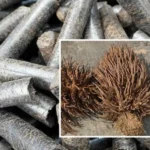
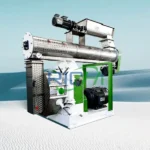
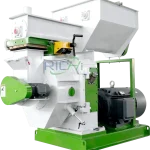
A cat litter pellet machine (also called a pet litter pelletizer or biomass pellet mill for cat litter) is a device that compresses raw materials into uniform pellets through high pressure and heat. These pellets are then used as absorbent cat litter due to their high porosity, odor control, and biodegradability.
How Does It Work?
The process involves three main steps:
- Raw Material Preparation: Materials like sawdust, straw, or recycled paper are ground into fine powder and dried to reduce moisture content.
- Pelletizing: The powder is fed into the machine’s pelletizing chamber, where rollers and dies compress it under extreme pressure (often 40–60 MPa).
- Cooling & Packaging: Freshly formed pellets are cooled to harden and then packaged for sale or use.
( Article: https://pelletisingmachine.com/cat-litter-production-line/)
Chapter 2: Why Invest in a Cat Litter Pellet Machine?
1. Environmental Sustainability
Traditional clay litters end up in landfills, where they take centuries to decompose. In contrast, biodegradable cat litter pellets break down naturally within months, reducing waste and carbon footprint.
2. Cost Efficiency
For businesses, producing pellets in-house cuts reliance on suppliers, lowering long-term costs. For pet owners, DIY pellets from household waste (e.g., shredded newspaper) offer a budget-friendly alternative.
3. High-Quality Product Control
Manufacturers can customize pellet size, density, and absorbency by adjusting machine settings, ensuring consistency for brand reputation.
Chapter 3: Choosing the Right Cat Litter Pellet Machine
Not all pellet machines are created equal. Here’s what to consider when selecting one:
1. Production Capacity
- Small-Scale (Home Use): Opt for a mini pellet machine (50–200 kg/hour) for DIY projects.
- Commercial Use: Choose a high-capacity pellet mill (500–2,000 kg/hour) for bulk production.
2. Raw Material Compatibility
Ensure the machine supports your chosen materials (e.g., wood, rice husk, or coffee grounds). Some models specialize in soft materials like paper, while others handle fibrous inputs like straw.
3. Power Source & Energy Efficiency
- Electric Models: Ideal for indoor use with stable power supply.
- Diesel/Gas Models: Suitable for remote areas without electricity.
- Energy-Saving Features: Look for machines with automatic lubrication or variable frequency drives (VFD) to reduce energy consumption.
4. Durability & Maintenance
Invest in a machine with stainless steel components and corrosion-resistant dies to ensure longevity. Regular maintenance (e.g., die cleaning, lubrication) is critical to avoid downtime.
Chapter 4: Best Raw Materials for Cat Litter Pellets
The success of your pellet production depends on selecting the right raw materials. Here are the top options:
1. Wood Shavings/Sawdust
- Pros: Highly absorbent, natural odor control, widely available.
- Cons: Requires drying to <15% moisture.
2. Recycled Paper
- Pros: Ultra-absorbent, soft on paws, reduces landfill waste.
- Cons: May require binding agents (e.g., cornstarch) to hold shape.
3. Agricultural Waste (Straw, Rice Husk, Coconut Coir)
- Pros: Renewable, low-cost, excellent moisture retention.
- Cons: May contain dust if not processed properly.
Chapter 5: Top-Rated Cat Litter Pellet Machines
1. Best for Home Use: [Brand Name] Mini Pellet Machine
- Capacity: 100 kg/hour
- Features: Compact design, electric-powered, easy to clean.
- Price: 1,200–1,800
2. Best for Small Business: [Brand Name] Flat-Die Pellet Mill
- Capacity: 500 kg/hour
- Features: Adjustable pellet size, diesel/electric dual power, durable construction.
- Price: 3,500–5,000
3. Best for Industrial Use: [Brand Name] Ring-Die Pellet Mill
- Capacity: 2 tons/hour
- Features: High efficiency, automatic cooling system, PLC control.
- Price: 15,000–25,000
Chapter 6: FAQs About Cat Litter Pellet Machines
Q1: Can I make cat litter pellets without a binder?
Yes! Natural materials like wood and paper have inherent binding properties when compressed under high pressure. However, some agricultural wastes (e.g., rice husk) may require a small amount of starch or clay as a binder.
Q2: How much does a cat litter pellet machine cost?
Prices range from 1,000 for basic home models to 25,000+ for industrial-grade machines. Factors like capacity, material, and brand influence cost.
Q3: Is pelletized cat litter safe for kittens?
Absolutely! Biodegradable pellets are chemical-free and gentle on paws, making them ideal for kittens and sensitive cats.
Conclusion: Transform Your Pet Waste Management Today!
A cat litter pellet machine is more than just equipment—it’s a step toward a greener, more sustainable future for pets and their owners. Whether you’re producing pellets for personal use or launching a commercial venture, investing in the right machine can save money, reduce waste, and deliver a premium product.
Ready to get started? Explore our range of high-quality cat litter pellet machines tailored to every budget and production scale. Contact us today for a free consultation and take the first step toward eco-friendly pet care!