

1. Introduction: The Importance of Premix Feed in Animal Nutrition
High-quality nutrition is the cornerstone of modern livestock farming. Animals such as poultry, pigs, cattle, and aquaculture species require balanced diets to ensure optimal growth, reproduction, and overall health. A premix plant process mill plays a crucial role in producing precise, nutrient-rich premixes that serve as the foundation for compound feeds.
Premixes are concentrated blends of vitamins, minerals, amino acids, and other feed additives that are mixed with base ingredients like corn, soybean meal, or wheat bran to create nutritionally balanced feed. Using a premix feed mill ensures consistent nutrient delivery, improves feed efficiency, and supports sustainable livestock production practices.
2. Historical and Cultural Context of Premix Feed Production
The concept of premix feed emerged as animal nutrition science advanced in the 20th century. Traditionally, farmers relied on natural forages, raw grains, and locally available by-products to feed livestock. While this approach met basic dietary needs, it often resulted in nutritional imbalances and inconsistent growth.
The invention of the premix feed mill marked a turning point in animal husbandry. By producing precise mixtures of essential nutrients, premixes allow farmers to supplement base feed accurately, enhancing animal health and productivity. In countries with strong livestock traditions, such as the United States, China, Brazil, and Germany, premix feed mills have become integral to modern feed production, supporting both small farms and industrial feed operations.
3. Components and Function of a Premix Feed Mill
A standard premix feed mill consists of several key components designed for precision and efficiency:
Ingredient Storage and Weighing System: Ensures accurate measurement of vitamins, minerals, amino acids, and other additives.
Mixer: Uniformly blends concentrated nutrients to produce a consistent premix.
Pellet Mill or Powder Conveying System (Optional): Prepares the premix for direct inclusion into pellet or mash feed.
Packaging System: Prepares premix for distribution to feed mills or farms.
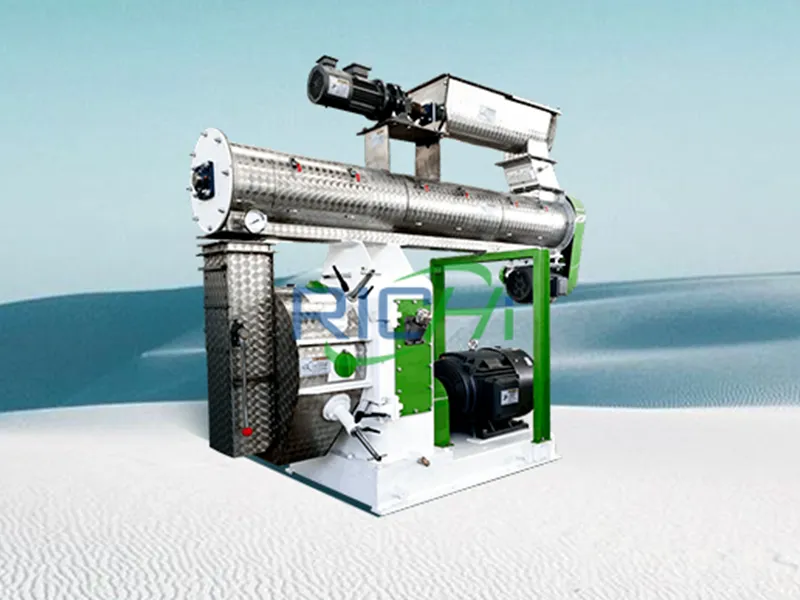
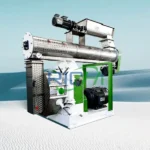
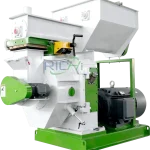
Modern premix feed mills, such as those offered by RICHI, are designed for precise weighing, homogeneous mixing, and minimal nutrient loss. These systems can be scaled for small feed operations or large industrial production, providing flexibility and long-term reliability. https://richipelletizer.com/pig-feed-mill/
4. Advantages of Using a Premix Feed Mill
Investing in a premix feed mill offers numerous advantages for feed producers and livestock farmers:
Balanced Nutrition: Guarantees accurate delivery of vitamins, minerals, and essential nutrients.
Improved Feed Efficiency: Optimizes growth performance, reproductive health, and overall animal productivity.
Consistency: Automated mixing ensures uniform nutrient distribution in every batch.
Scalability: Suitable for small farms, commercial feed mills, or industrial operations.
These advantages directly contribute to healthier animals, improved production performance, and higher profitability for livestock operations.
5. Technological and Environmental Considerations
Producing high-quality premixes requires precise measurement, thorough mixing, and careful handling to prevent nutrient loss. Moisture, temperature, and cross-contamination must be controlled to maintain premix stability and efficacy.
Modern premix feed mills, including solutions from RICHI Equipment, incorporate advanced weighing, mixing, and monitoring systems to ensure uniformity and quality. Automation reduces human error and increases production efficiency.
Environmentally, premix production reduces nutrient wastage, prevents over-supplementation, and allows for the integration of sustainable feed ingredients. By efficiently producing concentrated nutrient blends, farms can reduce feed costs, limit environmental impact, and promote responsible livestock management.
6. Economic and Market Significance
Feed costs account for a significant portion of total livestock production expenses. Using a premix feed mill allows feed manufacturers and farmers to produce accurate nutrient blends on-site, reducing dependence on external suppliers and lowering overall costs.
The global animal feed market continues to expand, driven by increasing demand for meat, dairy, and aquaculture products. Efficient premix production ensures consistent feed quality, supports regulatory compliance, and enhances competitiveness in both domestic and international markets. High-quality premixes improve animal growth, reduce health issues, and increase farm profitability.
7. Choosing the Right Premix Feed Mill
Selecting the appropriate premix feed mill involves evaluating several key factors:
Capacity: From small-scale systems producing a few hundred kilograms per hour to industrial lines capable of multiple tons per hour.
Precision: Accurate weighing and uniform mixing are critical for nutrient consistency.
Automation Level: Advanced systems reduce labor, improve efficiency, and ensure batch-to-batch uniformity.
Supplier Reliability: Reputable manufacturers such as RICHI provide technical support, spare parts, and long-term service.
Choosing the right mill ensures high-quality premix production, operational efficiency, and sustainable performance for livestock operations. Their website
8. Cultural and Nutritional Importance
Animal protein plays a vital role in human diets, providing essential amino acids, vitamins, and minerals. A premix feed mill ensures livestock receives the right balance of nutrients, supporting optimal growth, reproductive performance, and overall health.
Culturally, livestock farming sustains rural communities, creates employment, and provides economic stability. Premix feed production enhances these benefits by enabling farmers to improve feed quality, reduce waste, and adopt modern feeding practices without compromising traditional husbandry knowledge.
9. Conclusion: Investing in Sustainable Livestock Nutrition
A premix feed mill represents a strategic investment in modern, efficient, and sustainable animal nutrition. By producing precise, nutrient-rich premixes, farmers and feed manufacturers can enhance livestock growth, reduce feed waste, and promote environmentally responsible farming.With reliable solutions from suppliers such as RICHI, livestock operations can scale efficiently, maintain consistent feed quality, and meet growing global demand for high-quality animal products. Modern premix feed production combines technological innovation, economic efficiency, and sustainability, shaping the future of responsible livestock farming. Feed making machine in Ethiopia