
Introduction to Straw Pellet Production
Agricultural production generates large amounts of biomass residues every year, including crop straw, corn stalks, wheat straw, and other plant materials. Without proper utilization, these resources may become difficult-to-manage agricultural waste.
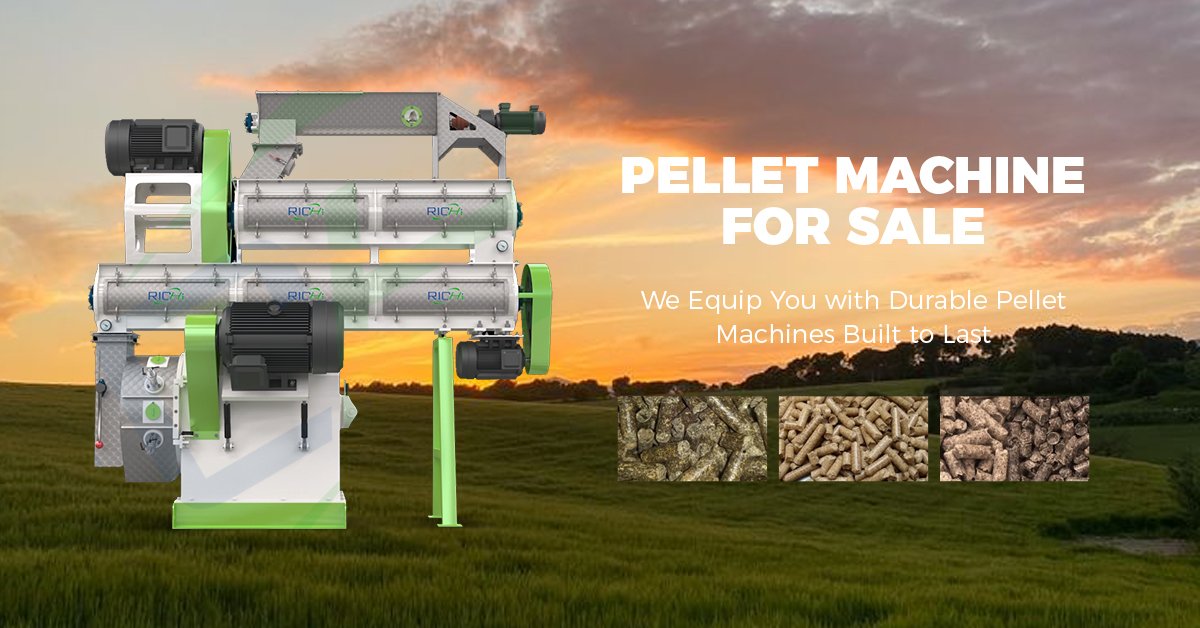
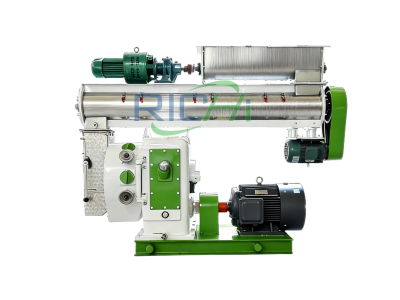
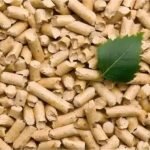
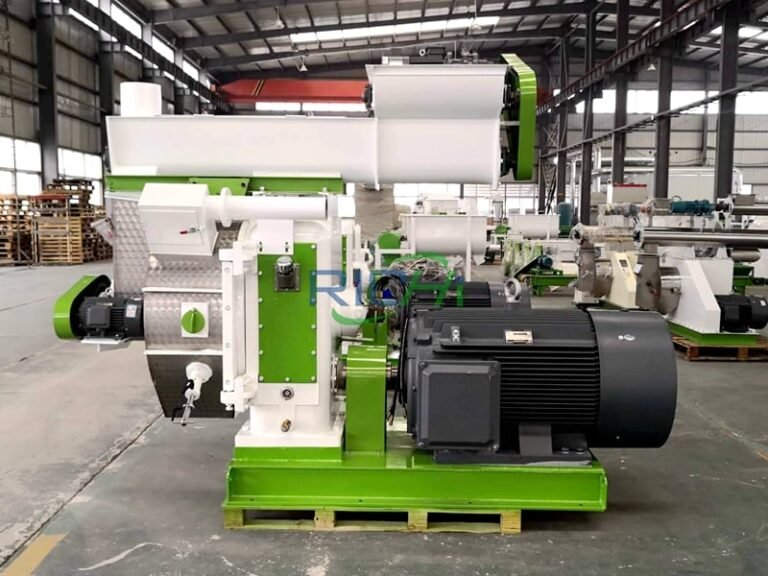
A professional straw pellet machine for sale provides an effective solution for converting loose agricultural residues into dense biomass pellets. Through mechanical compression technology, straw materials can be transformed into standardized pellets with improved storage, transportation, and utilization performance.
Straw pellet production is widely applied in biomass fuel manufacturing, agricultural recycling projects, and renewable energy industries. By using advanced pelletizing equipment, businesses can increase the value of agricultural waste while supporting sustainable resource utilization.
Why Straw Pellet Machines Are Important
Turning Agricultural Waste into Valuable Resources
Crop residues are available in large quantities in many agricultural regions. However, loose straw usually has low density, making it difficult to store and transport efficiently.
A straw pellet machine helps solve these challenges by compressing biomass materials into compact pellets.
The pelletizing process provides benefits such as:
- Reduced storage space
- Lower transportation costs
- Improved material handling
- Increased commercial value
By processing agricultural residues into pellets, businesses can create new opportunities from previously underused resources.
Supporting Renewable Energy Development
Straw pellets are increasingly used as biomass fuel because they come from renewable agricultural resources.
Compared with loose straw, pelletized biomass provides:
- More stable combustion performance
- Easier fuel handling
- Better storage characteristics
- Improved transportation efficiency
They can be used in biomass boilers, industrial heating systems, and renewable energy projects.
How Straw Pellet Machines Work
Raw Material Preparation
Proper preparation is essential for producing high-quality straw pellets.
The preparation process usually includes:
- Crushing large straw materials
- Reducing fiber size
- Adjusting moisture content
- Removing impurities
Suitable material preparation improves pellet formation and reduces production problems.
Pelletizing Process
After preparation, biomass materials enter the pelletizing chamber. The machine applies pressure to compress materials through a specially designed die.
During this process, loose straw becomes dense pellets with:
- Uniform shape
- Strong durability
- Stable density
- Better storage performance
The pelletizing process is the key stage that determines final product quality.
Cooling and Screening
Freshly produced pellets require cooling to improve structural stability.
After cooling, screening equipment separates qualified pellets from broken materials, ensuring consistent product quality before packaging and transportation.
1-30T/H Corn Stalk Pellet Machine for Industrial Production
Flexible Production Capacity
A 1-30T/H corn stalk pellet machine provides flexible production options for different project scales.
Small agricultural businesses can select suitable output levels according to available raw materials, while large biomass fuel plants can choose higher-capacity systems for continuous production.
This flexibility helps companies optimize investment and production efficiency.
Processing Corn Stalk into Biomass Pellets
Corn stalk is one of the most common agricultural residues available worldwide.
A professional pellet machine can process corn stalk into valuable biomass fuel products.
The production process helps:
- Reduce agricultural waste
- Improve resource utilization
- Create additional income opportunities
- Support cleaner energy development
Suitable for Different Biomass Materials
Although designed for corn stalk processing, biomass pellet equipment can also handle various materials, including:
- Wheat straw
- Rice straw
- Grass residues
- Other agricultural waste
This provides businesses with greater flexibility in raw material selection.
Advantages of Straw Pellet Production
Improved Agricultural Resource Utilization
Straw pellet production provides an effective method for recycling agricultural waste.
Instead of burning or discarding residues, businesses can convert them into valuable biomass products.
Better Storage and Transportation
Pellets have higher density compared with loose straw.
This creates advantages including:
- Reduced warehouse requirements
- Easier transportation
- Better packaging efficiency
- Improved market distribution
Wide Application Areas
Straw pellets can be used in:
- Biomass fuel plants
- Industrial boilers
- Renewable energy projects
- Agricultural processing businesses
Their broad applications create strong market potential.
Choosing the Right Straw Pellet Equipment
Evaluating Production Requirements
Before selecting equipment, businesses should analyze:
- Available raw materials
- Required output capacity
- Product applications
- Factory conditions
This helps determine the most suitable production configuration.
Considering Equipment Performance
Reliable equipment is essential for long-term operation.
Important factors include:
- Machine durability
- Energy consumption
- Maintenance requirements
- Production stability
A high-quality machine reduces downtime and improves overall profitability.
Selecting Professional Technical Support
Experienced suppliers can provide complete project solutions, including:
- Equipment selection
- Production line design
- Installation guidance
- Operation training
Businesses can Click Here to learn more about biomass pellet equipment applications, production processes, and technical solutions.
Building a Complete Straw Pellet Production Line
A complete biomass pellet production system usually includes:
Raw Material Processing
This section prepares agricultural residues through:
- Crushing
- Drying
- Moisture adjustment
Pelletizing System
The pelletizing section compresses prepared materials into finished biomass pellets.
A professional pelletizer is the core equipment responsible for pellet formation and production efficiency.
Cooling and Packaging
After pellet formation, cooling and packaging systems improve product quality and prepare pellets for transportation.
An integrated production line ensures stable operation and consistent output.
Applications of Corn Stalk and Straw Pellets
Biomass Fuel Manufacturing
Large-scale biomass fuel producers use straw pellets as renewable energy products for industrial customers.
Agricultural Recycling Projects
Farmers and agricultural enterprises can utilize crop residues more effectively by converting waste into valuable products.
Renewable Energy Industries
Straw pellets contribute to cleaner energy development by providing alternatives to traditional fuels.
Future Development of Straw Pellet Technology
The biomass pellet industry is moving toward smarter, more efficient, and environmentally friendly production methods.
Future trends include:
- Automated production systems
- Higher energy efficiency
- Improved pellet quality control
- Customized biomass solutions
As renewable energy demand continues increasing, straw pellet technology will become more important in global biomass utilization.
Conclusion
A straw pellet machine for sale provides an efficient solution for transforming agricultural waste into valuable biomass pellets. Through advanced compression technology, businesses can improve resource utilization, reduce waste, and develop sustainable energy products.
By choosing a suitable 1-30T/H corn stalk pellet machine and using a reliable pelletizer, manufacturers can establish efficient biomass production systems and achieve long-term benefits in the renewable energy market.
View details: https://www.richimanufacture.com/straw-pellet-machine-for-sale/