
As the world shifts toward renewable energy, biomass pellets have emerged as one of the most practical and sustainable fuel alternatives. At the heart of this revolution is the biomass pellet making machine — a critical piece of equipment that transforms raw agricultural and forestry waste into high-density, energy-efficient pellets. Whether you’re a first-time investor or an experienced operator looking to scale up, understanding this technology is essential for long-term success.
What Is a Biomass Pellet Making Machine?
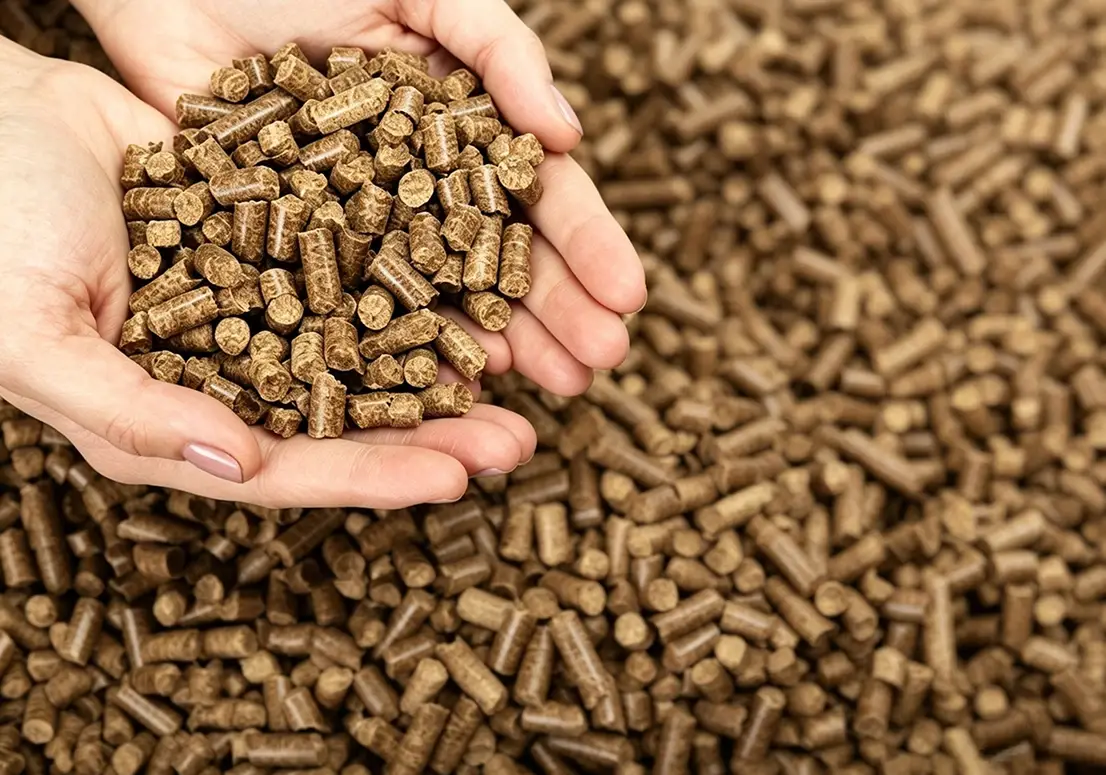
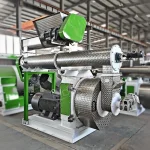
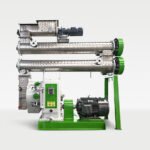
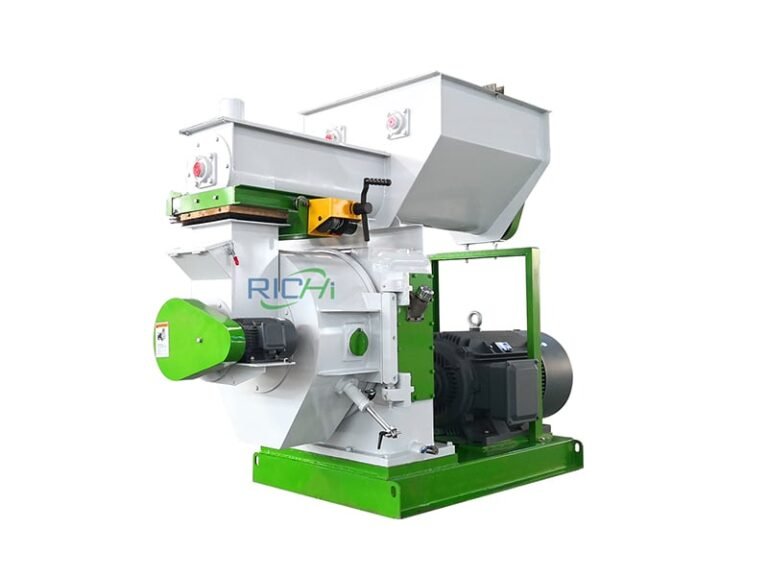
A biomass pellet making machine is industrial equipment designed to compress loose biomass materials — such as wood chips, sawdust, straw, rice husks, and crop residues — into uniform cylindrical pellets. These pellets are typically 6–12 mm in diameter, with high density and low moisture content, making them ideal for heating, power generation, and industrial fuel use.
The machine operates through a ring die or flat die system, where raw materials are fed into a conditioning chamber, mixed with steam or water to achieve optimal moisture, and then forced through die holes under high pressure. The resulting pellets are cut to length, cooled, and screened before packaging.
Modern machines are highly efficient, capable of processing a wide variety of feedstocks with minimal energy consumption. Their compact design also makes them suitable for both large-scale industrial plants and smaller decentralized operations.
Key Components and How They Work Together
A standalone pellet press is rarely used in isolation. In a complete biomass pellet production line, multiple pieces of equipment work in sequence to ensure product quality and process efficiency. A typical production line includes:
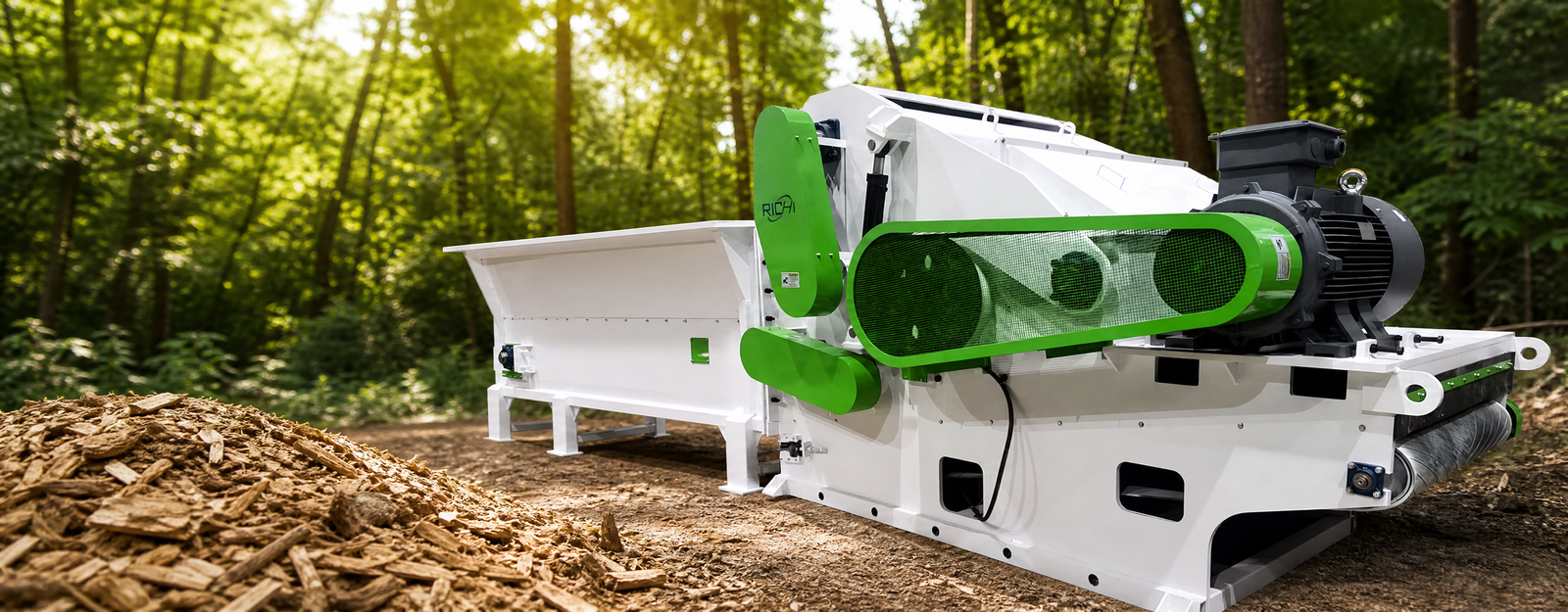
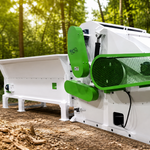
- Chipper / Crusher – Reduces raw material to a uniform particle size
- Dryer – Lowers moisture content to the ideal 10–15% range
- Pellet Mill – The core machine that forms the pellets
- Cooler – Reduces pellet temperature and hardens the surface
- Screener – Removes fines and ensures consistent sizing
- Packaging System – Bags and seals the final product
Each component must be carefully matched in terms of capacity and compatibility. Poor integration between units can lead to bottlenecks, inconsistent pellet quality, or unnecessary energy waste. This is why working with an experienced supplier matters.
Why Biomass Pellets Are a Smart Investment
The global biomass pellet market continues to grow rapidly, driven by government renewable energy mandates, carbon reduction goals, and rising fossil fuel costs. Biomass pellets offer several key advantages:
- High energy density — More energy per unit volume compared to raw biomass
- Easy storage and transport — Uniform shape and low moisture simplify logistics
- Carbon neutral — Considered a renewable fuel under most international standards
- Versatile feedstock — Compatible with dozens of raw material types
- Profitable by-product conversion — Turns waste materials into revenue
Investors worldwide are increasingly building dedicated pellet facilities to meet both domestic demand and export requirements, particularly in Europe and Asia.
Choosing the Right Supplier
Selecting the right equipment supplier is just as important as choosing the right machine. You need a partner with proven engineering expertise, reliable after-sales support, and experience across diverse project types and scales.
To learn more about available equipment models, customization options, and project consultation services, get more information directly from the manufacturer’s official website, where technical teams can provide tailored solutions based on your specific raw materials and production goals.
With decades of industry experience, Richi Manufacture has established itself as a globally recognized name in pellet processing equipment. Their product range covers everything from small-scale farm units to large industrial pellet plants, serving clients in over 100 countries across six continents.
Final Thoughts
Investing in a high-quality biomass pellet making machine is one of the most impactful decisions you can make in the renewable energy sector. With the right equipment, the right production setup, and a trusted supplier, your pellet business can achieve consistent output, strong margins, and lasting operational reliability. Take the time to evaluate your raw materials, production targets, and budget — then connect with a specialist who can build the solution that fits.
https://www.richimanufacture.com/biomass-pellet-making-machine/