




Introduction
In recent years, agricultural waste pelletizing has experienced remarkable global growth. What was once considered a disposal problem is now becoming one of the fastest-growing sectors in renewable energy. Farmers, energy companies, and governments are increasingly recognizing agricultural residues as valuable raw materials for clean fuel production.
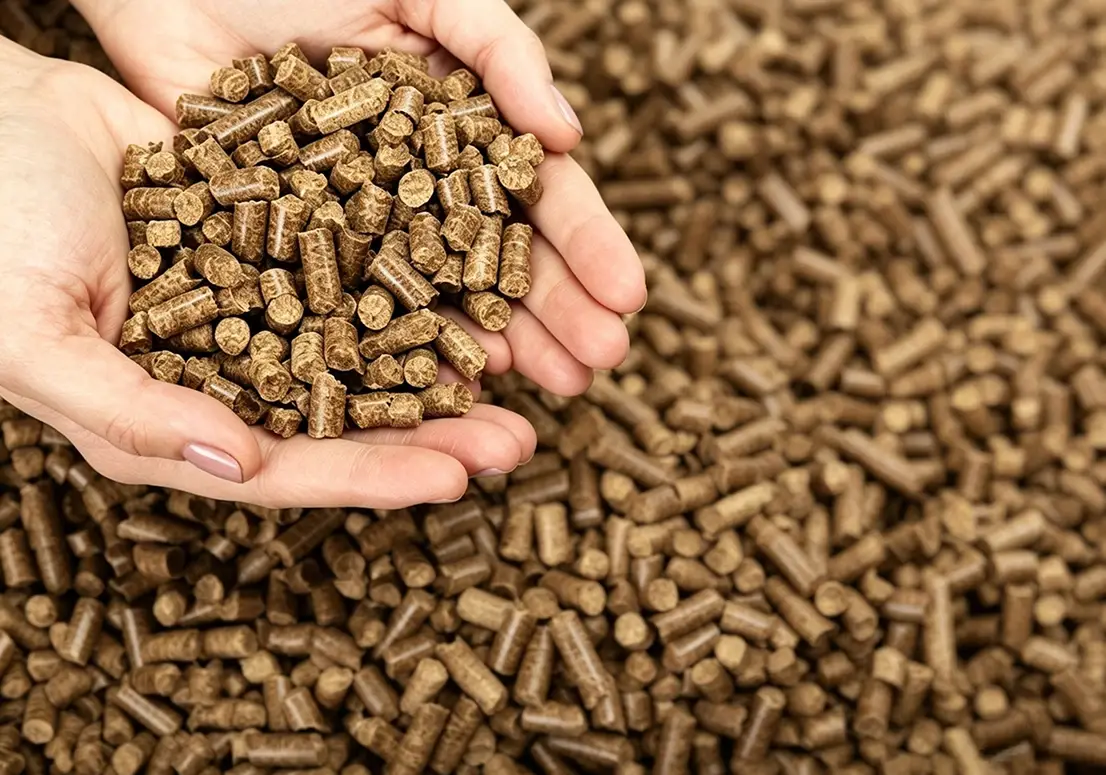
Straw, rice husks, corn stalks, sugarcane bagasse, and other biomass wastes are no longer simply burned or discarded. Instead, they are being converted into high-density pellets that can replace coal and other fossil fuels in heating, power generation, and industrial processes.
At the center of this transformation is equipment such as the straw pellet machine, which enables efficient conversion of loose biomass into standardized fuel pellets. This article explores why agricultural waste pelletizing is growing so fast, the forces driving this expansion, and its role in the global clean energy transition.
1. The Global Energy Transition Is Accelerating
One of the biggest reasons for the rapid growth of agricultural waste pelletizing is the global shift toward renewable energy.
Countries around the world are setting ambitious targets for carbon neutrality and emissions reduction. Fossil fuels such as coal and oil are being gradually replaced by cleaner alternatives.
Key drivers of the energy transition:
- Climate change policies
- Carbon neutrality commitments
- Rising fossil fuel costs
- Energy security concerns
- International environmental agreements
Biomass pellets made from agricultural waste are considered carbon-neutral because the carbon dioxide released during combustion is offset by plant growth. This makes them an attractive alternative energy source.
As a result, demand for biomass fuel is increasing rapidly, directly boosting the need for pelletizing systems and machines like the straw pellet machine.
2. Agricultural Waste Availability Is Massive
Agriculture produces enormous quantities of waste every year. Globally, billions of tons of biomass residues are generated annually.
Common agricultural residues include:
- Wheat straw
- Rice straw
- Corn stalks
- Rice husks
- Sugarcane bagasse
- Cotton stalks
- Peanut shells
- Sunflower husks
Much of this material is underutilized or burned in fields, creating pollution and waste.
Instead of being discarded, these residues can be transformed into energy-rich pellets. The abundance and low cost of raw materials make agricultural waste pelletizing highly scalable and economically attractive.
3. Environmental Pressure Against Open Burning
In many agricultural regions, open burning of crop residues has been a traditional practice. However, this method is now heavily restricted or banned in many countries due to its environmental impact.
Problems caused by burning agricultural waste:
- Severe air pollution (PM2.5 emissions)
- Greenhouse gas release
- Health hazards for rural populations
- Loss of soil organic matter
- Negative impact on climate goals
Governments are actively encouraging farmers to adopt alternative solutions. Pelletizing agricultural waste provides a practical and profitable replacement for burning.
By using a straw pellet machine, farmers and biomass processors can convert straw into fuel instead of releasing it into the atmosphere as smoke.
4. Rising Demand for Renewable Energy
The demand for renewable energy is increasing across multiple sectors:
- Industrial heating
- Power generation
- Residential heating
- District energy systems
Biomass pellets are especially attractive because they are:
- Easy to transport
- High in energy density
- Compatible with existing coal boilers (with minor modification)
- Stable in combustion performance
This growing demand has created a strong global market for pellet production systems, driving rapid expansion of agricultural waste pelletizing industries.
5. Technological Improvements in Pelletizing Equipment
Another major reason for industry growth is technological advancement.
Modern pelletizing systems are more efficient, durable, and automated than ever before. The straw pellet machine, in particular, has undergone significant improvements.
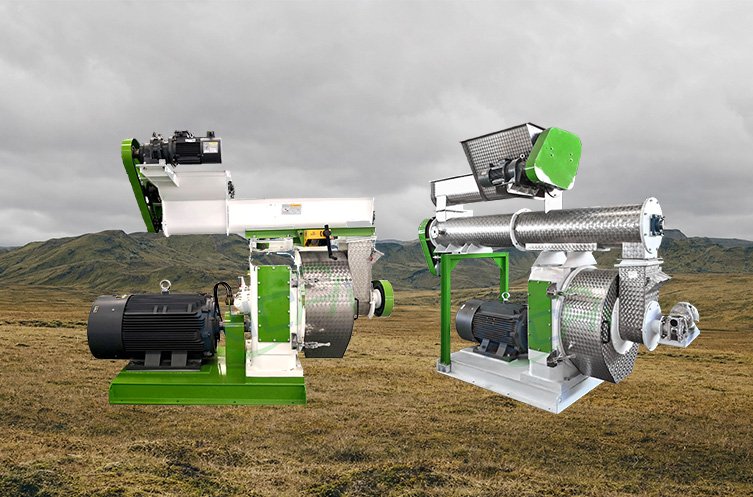
Key technological upgrades include:
- High-strength alloy dies and rollers
- Improved compression efficiency
- Automatic lubrication systems
- Energy-efficient motors
- Intelligent control panels
- Enhanced wear resistance
These innovations allow continuous large-scale production with lower maintenance costs and higher output stability.
As technology improves, more investors are willing to enter the biomass pellet industry.
6. Economic Benefits for Farmers and Investors
Agricultural waste pelletizing is not just environmentally beneficial—it is also economically profitable.
Benefits for farmers:
- Additional income from selling crop residues
- Reduced waste disposal costs
- New business opportunities in rural areas
Benefits for investors:
- Growing global demand for biomass fuel
- Stable long-term market growth
- Government subsidies and incentives
- Export opportunities
The relatively low cost of raw materials combined with increasing fuel demand makes biomass pellet production a strong investment opportunity.
Machines like the straw pellet machine play a central role in turning this opportunity into reality.
https://pelletisingmachine.com/straw-pellet-mill
7. Development of Biomass Energy Policies
Government policies are strongly supporting the growth of agricultural waste pelletizing industries.
Common policy measures include:
- Renewable energy subsidies
- Carbon tax regulations
- Biomass power plant incentives
- Restrictions on fossil fuel usage
- Agricultural waste management laws
In many countries, farmers are prohibited from burning straw and must instead sell or recycle it.
These policies directly increase the supply of raw materials for pellet production and stimulate demand for pelletizing equipment.
8. Industrial Applications Are Expanding
Agricultural waste pellets are now used in a wide range of applications.
8.1 Power Generation
Biomass power plants use pellets as fuel for electricity generation, either alone or co-fired with coal.
8.2 Industrial Boilers
Factories use biomass pellets to generate steam and heat for production processes.
8.3 Residential Heating
Pellet stoves provide clean and efficient heating in homes, especially in colder regions.
8.4 Export Energy Markets
Countries with abundant agricultural waste export biomass pellets to energy-importing regions.
This expanding application base is a major factor driving demand for pellet production systems and the straw pellet machine.
9. Circular Economy and Waste Utilization
The concept of a circular economy is another key driver behind the rapid growth of agricultural waste pelletizing.
Instead of treating agricultural residues as waste, they are now considered valuable resources.
Circular economy benefits include:
- Waste reduction
- Resource efficiency
- Energy recovery
- Sustainable agriculture integration
This approach aligns with global sustainability goals and encourages industries to invest in biomass pellet production systems.
10. Energy Security and Resource Independence
Many countries rely heavily on imported fossil fuels, which can be expensive and unstable.
Agricultural waste pelletizing provides an alternative:
- Locally available raw materials
- Reduced dependence on imported energy
- Stable domestic energy supply
Biomass pellets improve national energy security by utilizing local agricultural resources. This is especially important for developing countries with large agricultural sectors.
(Related machine: efficient corn stalk pellet machine)
11. Scalability of Pellet Production Systems
Another reason for fast industry growth is scalability.
Pellet production systems can be designed for:
- Small rural farms
- Medium-sized processing plants
- Large industrial biomass factories
The straw pellet machine can be integrated into different production capacities, making it suitable for a wide range of business models.
This flexibility allows rapid expansion of the industry across different regions and market sizes.
12. Challenges That Are Being Solved
Although the industry is growing rapidly, some challenges still exist:
Raw material collection
Straw and agricultural residues are often scattered across fields.
Moisture control
Biomass materials require drying before pelletizing.
Equipment investment
Initial capital costs can be high for small businesses.
Seasonal availability
Some agricultural wastes are only available during harvest seasons.
However, continuous improvements in logistics, storage systems, and machinery design—especially in modern straw pellet machine technology—are helping solve these problems.
13. Future Growth Trends
The future of agricultural waste pelletizing looks highly promising.
Expected trends include:
- Increased global biomass trade
- Expansion of carbon-neutral energy markets
- Greater automation in pellet production
- Integration with smart energy systems
- Stronger government regulations on emissions
As these trends continue, demand for pelletizing equipment will grow significantly. (look at here now)
Conclusion
Agricultural waste pelletizing is growing fast due to a combination of environmental, economic, technological, and policy-driven factors. The global shift toward renewable energy, increasing pressure to reduce pollution, and the vast availability of agricultural residues all contribute to this rapid expansion.
At the center of this transformation is the straw pellet machine, which enables efficient conversion of loose agricultural waste into high-density, clean-burning fuel pellets.
As the world continues moving toward sustainable energy systems, agricultural waste pelletizing is expected to play an increasingly important role in global energy production, rural development, and environmental protection.