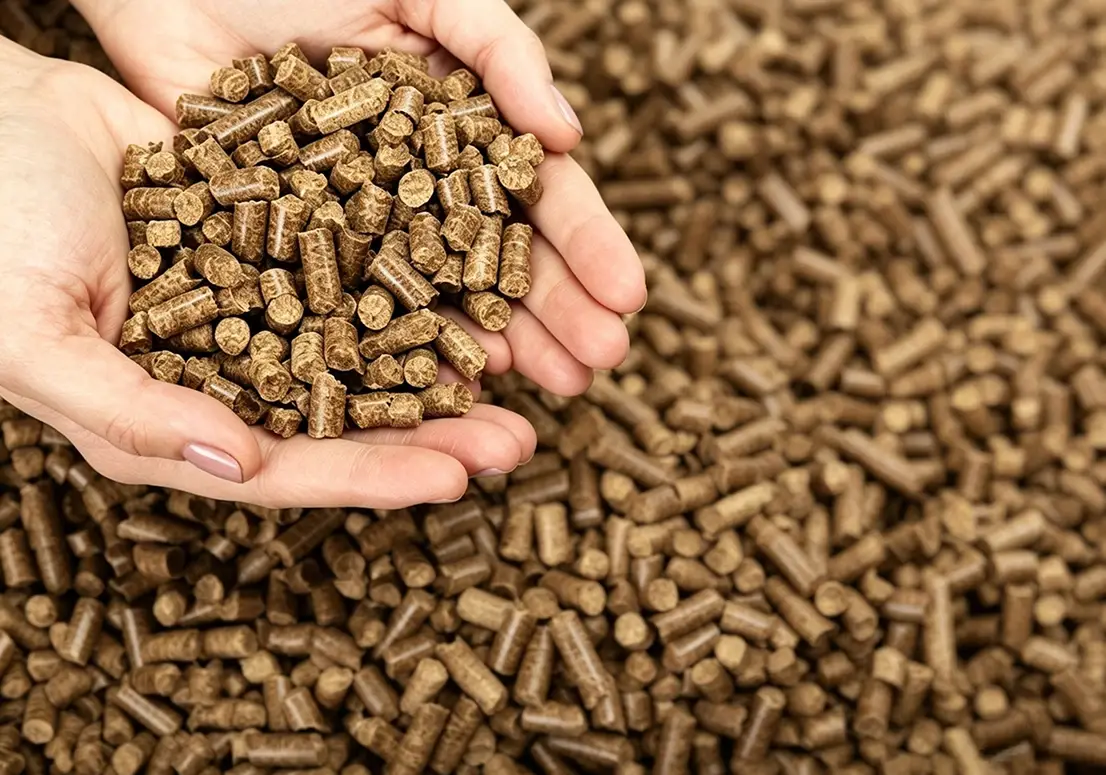



Every harvest season leaves behind millions of tons of agricultural residue. Wheat straw, rice straw, corn stalks, and other fibrous crop by-products are often burned, discarded, or left to decay in the field. While these materials were once viewed as agricultural waste, modern biomass technology has transformed them into a valuable renewable resource with applications in fuel, livestock bedding, industrial heating, and even eco-friendly consumer products.
Across Europe, Southeast Asia, South America, and North America, manufacturers and agricultural investors are exploring efficient ways to convert straw into dense biomass pellets. The demand is driven by rising fossil fuel costs, stricter environmental regulations, and the growing need for sustainable energy systems.
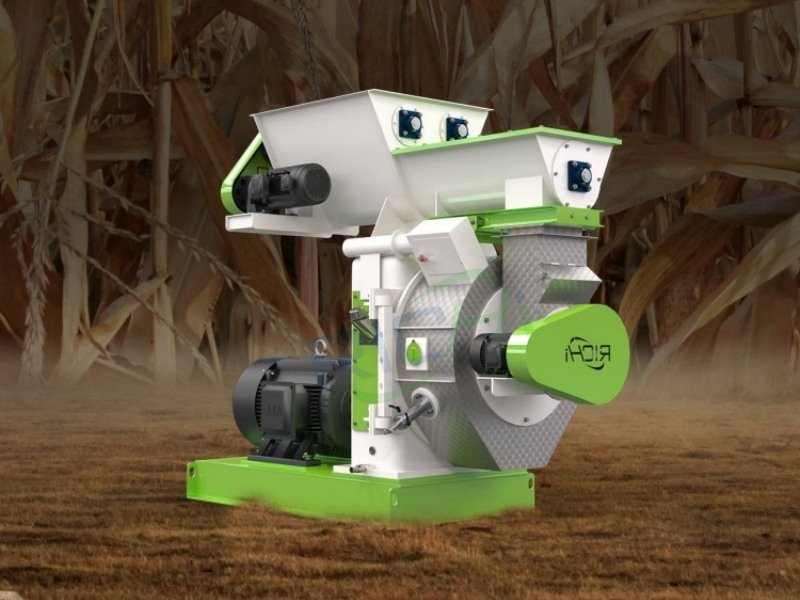
One of the most effective technologies enabling this transformation is the straw pellet mill. Combined with complete biomass processing systems, it allows businesses to convert loose agricultural residue into high-density pellets that are easier to transport, store, and sell.
Why Straw Is Becoming a Strategic Biomass Resource
Agricultural straw has several advantages over traditional biomass materials like wood chips or sawdust. First, it is widely available in farming regions and usually generated in large volumes after each harvest. Second, it offers a low-cost raw material source for renewable fuel production. Finally, utilizing straw helps reduce open-field burning, which contributes significantly to air pollution in many agricultural regions.
Different types of straw are commonly used in pellet production, including:
- Wheat straw
- Rice straw
- Corn stalks
- Barley straw
- Oat straw
- Rapeseed straw
- Sorghum stalks
Depending on the region, straw pellets can be used for:
- Industrial boiler fuel
- Residential heating systems
- Biomass power plants
- Animal bedding
- Organic fertilizer carriers
- Mushroom substrate production
Because of these diverse applications, biomass investors are increasingly looking for scalable and energy-efficient processing equipment.
What Makes Straw Pellet Production Different?
Unlike wood pellets, straw pellets present unique processing challenges. Straw contains higher silica content, lower bulk density, and more fibrous material structure. These characteristics require specialized crushing, drying, feeding, and pelleting technologies.
A successful straw pellet project depends on several factors:
Moisture Control
Straw moisture usually fluctuates between 15% and 35% depending on harvesting conditions. Proper drying is essential because excessive moisture reduces pellet density and increases energy consumption during compression.
Fiber Preparation
Long straw fibers can affect feeding stability. Hammer mills or fiber crushers are often used to reduce particle size before pelleting.
Wear Resistance
Straw contains abrasive minerals that increase wear on pellet dies and rollers. Industrial-grade alloy materials are essential for maintaining long-term performance.
Stable Feeding Systems
Because straw is lightweight and fluffy, automated force-feeding systems are often required to ensure continuous material flow into the pellet chamber.
These technical requirements explain why industrial investors usually prefer complete biomass solutions rather than standalone machines.
The Shift Toward Integrated Biomass Factories
In the past, many small producers relied on simple pellet presses with limited automation. Today, however, the industry is moving toward integrated production systems that improve efficiency, reduce labor dependency, and increase final pellet quality.
Modern plants may include:
- Straw shredding systems
- Hammer milling units
- Rotary dryers
- Storage silos
- Automatic dosing systems
- High-capacity pelletizers
- Cooling and screening equipment
- Automatic packaging machines
- Dust collection systems
A professionally designed industrial straw pellet line solution can help operators maintain consistent pellet quality while reducing operational costs over time.
Automation is particularly important in regions where labor shortages or rising wages affect agricultural processing industries. Intelligent control systems also improve safety and reduce downtime caused by inconsistent feeding or overheating.
How Pellet Density Influences Market Value
Pellet density directly affects transportation costs, combustion efficiency, and customer satisfaction. Low-density pellets break easily during handling and generate excessive dust, which reduces their commercial value.
Several factors influence pellet density:
- Raw material fiber structure
- Moisture level
- Compression ratio
- Die design
- Temperature during pelleting
An industrial-grade pellet press uses high pressure and controlled friction heat to soften lignin naturally present in biomass fibers. This lignin acts as a natural binder, helping pellets maintain shape and durability without additional chemicals.
For export-oriented biomass businesses, high-density pellets are especially important because shipping costs are heavily influenced by cargo volume efficiency.
Global Regions Driving Straw Pellet Demand
The straw pellet market is expanding rapidly across several key regions.
Europe
European countries continue investing heavily in renewable heating solutions. Biomass pellets are widely used in district heating systems, industrial boilers, and power plants. Countries with strong agricultural sectors such as Poland, Romania, France, and Ukraine have abundant straw resources for pellet manufacturing.
Southeast Asia
Rice-producing countries generate enormous quantities of rice husk and rice straw annually. Biomass projects in Vietnam, Thailand, Indonesia, and Cambodia increasingly focus on converting agricultural waste into commercial fuel products.
North America
Large farming operations in Canada and the United States are exploring biomass diversification strategies. Straw pellets are used in livestock farming, heating applications, and biomass co-firing systems.
South America
Brazil and Argentina possess massive agricultural industries that generate large volumes of crop residue suitable for pellet production. Renewable energy incentives continue supporting biomass infrastructure investments.
The Economics Behind Straw Pellet Plants
A successful pellet business depends on balancing raw material availability, operating costs, energy consumption, and final pellet pricing.
Major cost factors include:
- Raw material transportation
- Electricity consumption
- Drying energy costs
- Spare parts and maintenance
- Labor
- Packaging and logistics
Fortunately, straw itself is often inexpensive or even considered a disposal burden for farmers. This creates strong potential profit margins when production systems are optimized correctly.
For example, integrated factories can significantly reduce energy waste through:
- Heat recovery systems
- Variable-frequency motor controls
- Automated moisture monitoring
- Intelligent cooling management
The result is lower per-ton production cost and improved operational efficiency.
Environmental Benefits Beyond Renewable Energy
The environmental advantages of straw pellet production extend far beyond replacing fossil fuels.
Reducing Open Burning
In many agricultural regions, farmers burn straw after harvest to clear fields quickly. This releases large amounts of particulate matter and greenhouse gases into the atmosphere.
Converting straw into pellets creates economic value while reducing pollution.
Lower Carbon Emissions
Biomass pellets are generally considered carbon-neutral because the carbon released during combustion was previously absorbed by crops during growth.
Supporting Circular Agriculture
Straw pellet manufacturing encourages a circular economy model in which agricultural waste becomes a valuable industrial resource rather than landfill material.
Improving Rural Employment
Biomass projects create jobs in raw material collection, transportation, equipment operation, maintenance, and logistics.
Key Factors When Selecting Biomass Equipment
Not all pellet equipment performs equally when processing agricultural residues. Investors should evaluate several technical considerations before purchasing machinery.
Capacity Requirements
Production capacity should match raw material supply and target market demand. Oversized equipment may increase unnecessary investment costs, while undersized systems limit future expansion.
Energy Consumption
Energy-efficient motors and optimized transmission systems reduce long-term operational expenses.
Die and Roller Design
Durable components improve pellet quality and minimize maintenance interruptions.
Automation Level
Automated systems improve consistency, especially for large-scale commercial plants.
After-Sales Service
Reliable technical support, spare parts availability, and commissioning assistance are critical for long-term operational stability.
Many buyers researching biomass technology often compare different manufacturers, operating models, and project layouts before making investment decisions. Technical case studies and factory references can provide valuable insights during this stage.
If you are evaluating biomass processing opportunities, a knockout post can often reveal practical comparisons between small-scale systems and fully integrated industrial solutions.
Emerging Applications Beyond Fuel
Although heating fuel remains the dominant use for straw pellets, several emerging applications are creating additional demand.
Animal Bedding
Straw pellets absorb moisture effectively and are widely used in poultry farms, horse stables, and pet bedding applications.
Organic Fertilizer Carriers
Pelletized biomass can serve as a carrier material for organic fertilizer formulations.
Industrial Absorbents
Certain straw-based pellets are used for spill absorption and waste management.
Eco-Friendly Consumer Products
Some manufacturers are developing biodegradable materials using agricultural fiber pellets as raw material feedstock.
These diversified applications reduce market risk for pellet producers by expanding customer segments beyond energy markets alone.
Common Challenges in Straw Pellet Manufacturing
Despite strong market potential, biomass projects still face several operational challenges.
Seasonal Raw Material Supply
Agricultural residues are usually harvested seasonally, requiring efficient storage strategies to ensure year-round production.
Moisture Variability
Weather conditions can dramatically affect straw quality and processing performance.
Dust Management
Biomass processing generates significant dust that requires proper collection systems for workplace safety and equipment protection.
Transportation Logistics
Loose straw has low bulk density, making transportation inefficient before compression.
Successful factories address these challenges through proper engineering design, storage planning, and automated process control.
Why Custom Engineering Matters
No two biomass projects are exactly the same. Straw type, climate conditions, production goals, local energy costs, and labor availability all influence equipment selection and factory layout.
For this reason, customized process design has become increasingly important in the biomass industry.
A well-designed plant considers:
- Raw material characteristics
- Local environmental regulations
- Target pellet specifications
- Future expansion plans
- Energy optimization strategies
- Automation integration
Instead of relying on generic equipment combinations, modern investors increasingly seek tailored processing systems designed around their specific operational conditions.
Future Trends in Biomass Pellet Manufacturing
The biomass industry continues evolving rapidly as renewable energy policies strengthen worldwide.
Several important trends are shaping the future of straw pellet production:
Smart Factory Integration
IoT monitoring systems allow operators to track energy consumption, equipment performance, and maintenance requirements in real time.
Higher-Density Fuel Standards
Industrial users increasingly demand pellets with stricter durability and combustion specifications.
Carbon Reduction Incentives
Governments continue introducing policies that support renewable fuel adoption and carbon-neutral manufacturing.
Multi-Feedstock Flexibility
Modern plants are increasingly designed to process multiple agricultural materials rather than relying on a single raw material source.
Export-Oriented Production
International biomass trade continues expanding, especially between agricultural regions and energy-importing countries.
These developments are encouraging greater investment in high-performance pellet manufacturing technologies.
(Related Post: https://www.richipelletmill.com/hay-pellet-machine-for-sale/)
Conclusion
Agricultural residue is no longer viewed simply as farm waste. Around the world, straw is becoming an important renewable resource capable of supporting sustainable energy systems, circular agriculture, and rural industrial development.
With the right processing technology, farmers, investors, and industrial operators can transform low-value biomass into profitable commercial products. Advanced production systems improve efficiency, reduce emissions, and create new economic opportunities in both developed and emerging markets.
As global demand for renewable fuel continues rising, the role of the straw pellet mill will become increasingly important in biomass processing infrastructure. Whether for industrial heating, animal bedding, or environmental applications, pelletized agricultural residue is positioned to play a major role in the future of sustainable manufacturing.