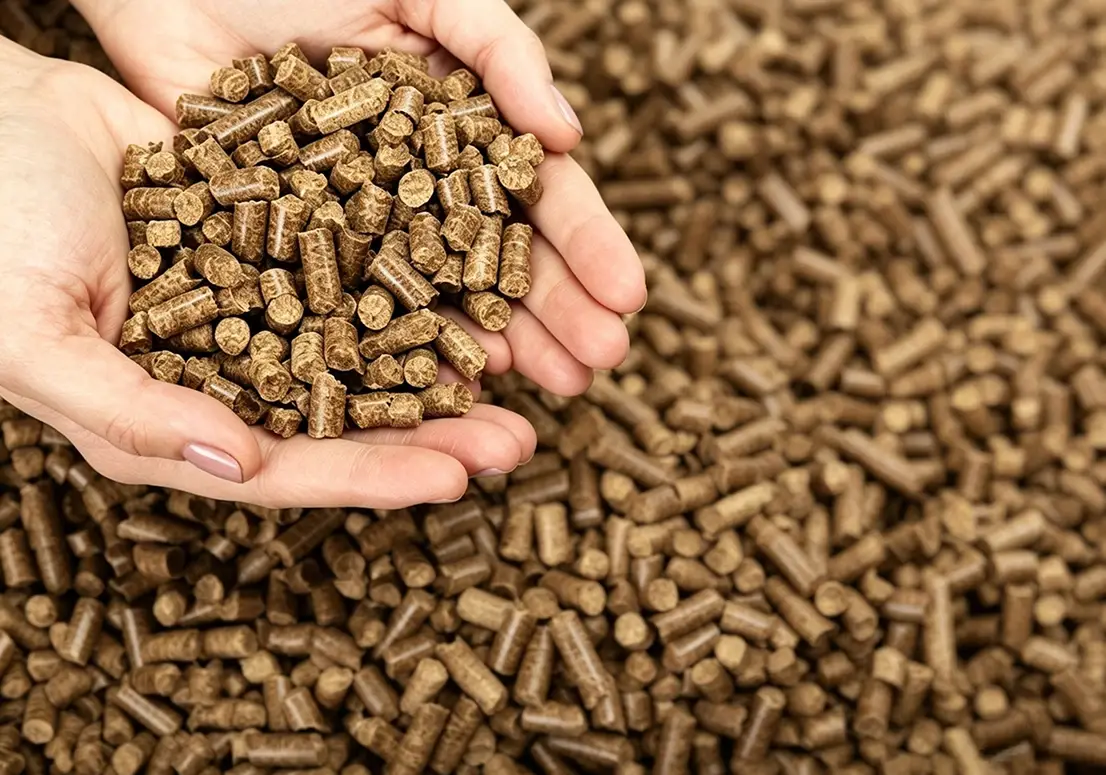



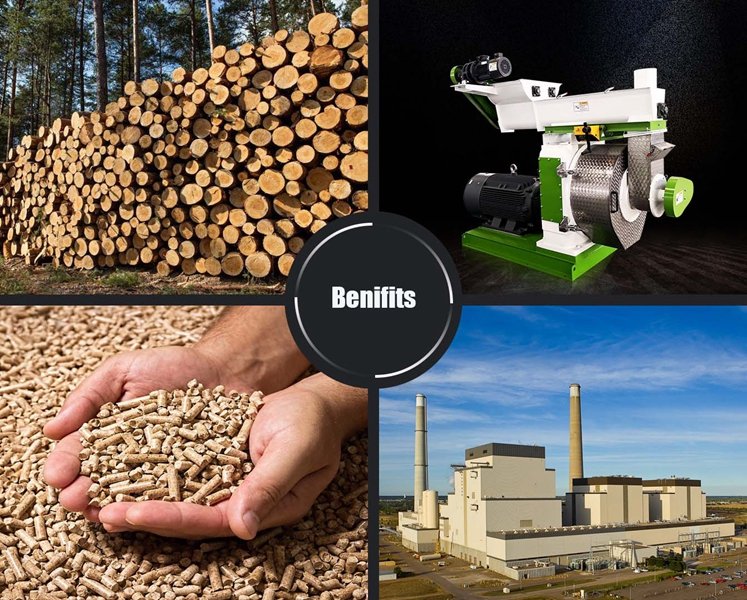
Biomass fuel pellets have become one of the fastest-growing renewable energy products in the world. They are widely used in industrial boilers, biomass power plants, commercial heating systems, and residential energy applications because they provide a cleaner and more sustainable alternative to fossil fuels. However, the success of biomass pellet production depends heavily on pellet quality. Poor-quality pellets can create transportation problems, unstable combustion, excessive ash, high dust levels, and lower energy efficiency.
For biomass fuel producers, improving pellet quality efficiently is one of the most important goals. High-quality pellets not only improve market competitiveness but also increase customer satisfaction and long-term profitability. Achieving this requires proper raw material selection, moisture control, process optimization, and advanced equipment such as the rice husk pellet making machine and biomass pellet mil.
This article explains in detail how to improve biomass fuel pellet quality efficiently, covering raw material preparation, pelletizing technology, machine optimization, automation systems, and production management strategies.
1. Understanding Biomass Fuel Pellet Quality
Before improving pellet quality, it is important to understand what defines a high-quality biomass fuel pellet.
Key quality indicators include:
- High density
- Low moisture content
- Strong durability
- Low dust generation
- Stable combustion performance
- High calorific value
- Uniform size and shape
- Low ash content
Pellets that meet these standards burn more efficiently and are easier to transport and store.
2. Why Pellet Quality Matters
Poor-quality pellets create many operational problems.
Common issues caused by low-quality pellets:
- Pellet breakage during transport
- High dust content
- Poor combustion efficiency
- Boiler blockage
- Increased ash accumulation
- Customer complaints
High-quality pellets improve fuel performance and increase the value of the final product.
3. Importance of Raw Material Selection
Raw material quality is the foundation of pellet quality.
Common biomass materials include:
- Sawdust
- Rice husks
- Wheat straw
- Corn stalks
- Peanut shells
- Bagasse
- Bamboo waste
Each material has different characteristics affecting pellet quality.
4. Choosing the Best Raw Materials
Good pellet raw materials should have:
- Moderate moisture content
- Good fiber structure
- Strong natural binding ability
- Low contamination
- Consistent particle size
Wood waste generally produces high-quality pellets because of its natural lignin content.
Agricultural residues can also produce excellent pellets when processed correctly.
5. The Role of Moisture Content
Moisture control is one of the most important factors affecting pellet quality.
Ideal moisture range:
- Usually 10%–15% before pelletizing
Problems caused by excessive moisture:
- Soft pellets
- Pellet cracking
- Machine blockage
- Reduced density
Problems caused by low moisture:
- Poor pellet binding
- Increased dust
- Higher machine wear
Proper moisture adjustment greatly improves biomass pellet quality.
6. Importance of Drying Systems
Raw biomass materials often contain excessive moisture.
Drying systems reduce moisture before pelletizing.
Common drying equipment includes:
- Rotary dryers
- Belt dryers
- Airflow dryers
Efficient drying improves:
- Pellet density
- Durability
- Combustion performance
7. Particle Size Optimization
Uniform particle size is critical for efficient pellet formation.
Large particles reduce compression efficiency and weaken pellet structure.
Recommended practices:
- Use hammer mills for crushing
- Maintain consistent particle size
- Avoid oversized fibers
Fine and uniform materials improve performance in the biomass pellet mil.
8. Importance of the Biomass Pellet Mil
The biomass pellet mil is the core machine responsible for pellet formation.
It compresses loose biomass materials into dense cylindrical fuel pellets.
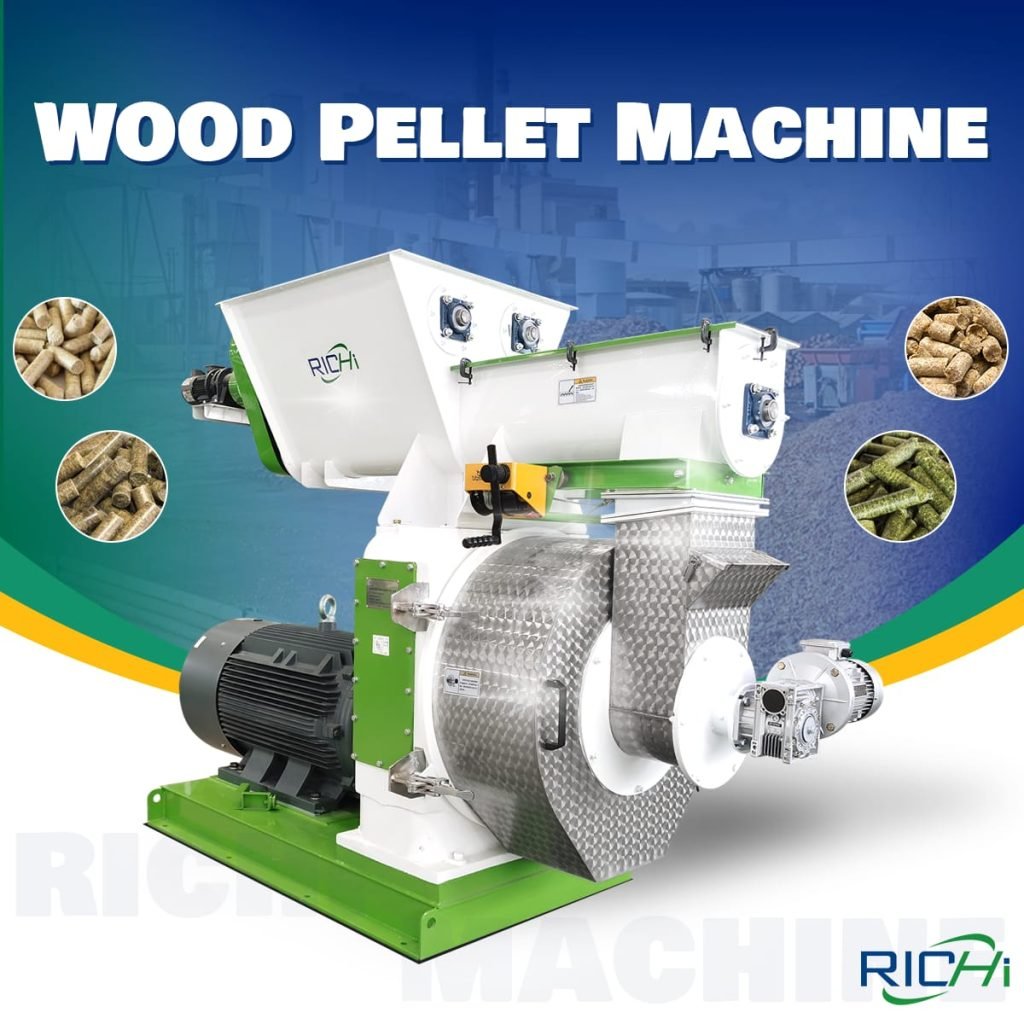
8.1 How the Biomass Pellet Mil Works
- Raw material enters the pellet chamber
- Rollers press material through the die
- Pressure and friction generate heat
- Biomass is compressed into pellets
- Pellets are cut to uniform length
Proper machine operation directly determines pellet quality.
https://pelletisingmachine.com/rice-husk-pellet-machine
8.2 Benefits of High-Quality Pellet Mills
Modern biomass pellet mil systems provide:
- Higher compression efficiency
- Improved pellet durability
- Lower energy consumption
- Stable production output
- Better pellet uniformity
Advanced equipment is essential for commercial pellet production.
9. Importance of the Rice Husk Pellet Making Machine
Rice husks are one of the most difficult biomass materials to pelletize because they contain:
- High silica content
- Low natural binding ability
- Abrasive particles
The rice husk pellet making machine is specially designed to process this challenging material efficiently.
9.1 Advantages of Rice Husk Pellet Technology
Modern rice husk pellet making machine systems provide:
- Strong compression capability
- Improved wear resistance
- Better pellet density
- Reduced machine damage
This makes rice husk pellets commercially viable for renewable energy applications.
10. Improve Die and Roller Quality
The die and rollers are among the most important components in pellet production.
Their functions:
- Compress biomass materials
- Determine pellet density
- Affect pellet durability
Quality improvement methods:
- Use wear-resistant materials
- Maintain proper roller pressure
- Replace damaged components promptly
Well-maintained dies improve pellet consistency and reduce dust generation.
11. Optimize Compression Ratio
The compression ratio of the die significantly affects pellet quality.
High compression ratio:
- Higher pellet density
- Better durability
- Lower dust
Excessive compression:
- Higher energy consumption
- Increased machine wear
Proper balance is essential.
12. Temperature Control During Pelletizing
Temperature affects lignin softening and pellet binding.
Proper temperature improves:
- Pellet hardness
- Surface smoothness
- Structural stability
Excessive temperature may cause:
- Pellet burning
- Die blockage
- Reduced machine lifespan
Temperature monitoring systems improve production stability.
13. Improve Feeding Uniformity
Uneven feeding causes unstable pellet quality.
Problems caused by inconsistent feeding:
- Pellet density variation
- Machine overload
- Increased wear
Automatic feeding systems improve consistency and efficiency.
14. Use Advanced Automation Systems
Modern pellet plants increasingly rely on automation technology.
Automation systems monitor:
- Moisture
- Temperature
- Machine load
- Pellet output
- Production speed
Benefits include:
- Stable pellet quality
- Reduced labor cost
- Lower human error
- Higher production efficiency
15. Reduce Dust During Production
Dust negatively affects pellet quality and workplace safety.
Causes of excessive dust:
- Poor raw material preparation
- Low moisture
- Worn dies
- Weak pellet structure
Solutions:
- Improve compression quality
- Install dust collection systems
- Optimize particle size
Reducing dust improves final product quality significantly.
16. Proper Cooling Improves Pellet Strength
Fresh pellets are hot and fragile after pelletizing.
Cooling systems stabilize pellet structure.
Common cooling equipment:
- Counterflow coolers
- Vertical coolers
Cooling improves:
- Pellet hardness
- Durability
- Storage stability
17. Screening and Quality Classification
Screening systems remove:
- Broken pellets
- Fine particles
- Oversized materials
This ensures only high-quality pellets reach the market.
18. Improve Raw Material Mixing
Consistent raw material blending improves pellet uniformity.
Proper mixing ensures:
- Stable combustion performance
- Uniform density
- Balanced moisture distribution
Mixing systems should operate continuously and evenly.
19. Reduce Contamination in Raw Materials
Contaminants reduce pellet quality and damage equipment.
Common contaminants include:
- Stones
- Metal fragments
- Sand
- Plastic waste
Magnetic separators and cleaning systems improve production safety.
20. Energy Efficiency and Pellet Quality
Energy-efficient production systems often improve pellet quality because stable operation creates more consistent processing conditions.
Modern biomass pellet mil systems use:
- High-efficiency motors
- Intelligent load control
- Automatic lubrication systems
This improves both efficiency and product consistency.
21. Importance of Maintenance
Regular maintenance is essential for maintaining pellet quality.
Maintenance tasks include:
- Cleaning die holes
- Lubricating bearings
- Replacing worn rollers
- Inspecting motors and conveyors
Neglected equipment leads to poor pellet quality and production downtime.
22. Operator Training and Production Management
Well-trained operators improve production efficiency and pellet quality.
Training should include:
- Machine operation
- Quality inspection
- Troubleshooting
- Safety procedures
Good management ensures stable long-term production.
23. Quality Testing and Monitoring
Regular testing helps maintain high pellet standards.
Important tests include:
- Moisture content
- Bulk density
- Durability
- Ash content
- Calorific value
Continuous monitoring helps identify production problems early.
24. Future Trends in Biomass Pellet Quality Improvement
Future innovations include:
- AI-based process optimization
- Smart moisture sensors
- Advanced die materials
- Fully automated pellet plants
- Energy-saving pellet technology
These developments will further improve pellet quality and production efficiency.
Conclusion
Improving biomass fuel pellet quality efficiently requires a complete and systematic approach involving raw material preparation, moisture control, particle size optimization, advanced equipment, automation, and proper maintenance.
At the center of the production process are the rice husk pellet making machine and biomass pellet mil, which play critical roles in determining pellet density, durability, combustion performance, and production efficiency. With proper optimization and modern technology, biomass fuel producers can create high-quality renewable fuel pellets that meet growing global energy demands while improving profitability and environmental sustainability.