
Introduction: The Importance of Ingredients in Aquatic Feed Manufacturing
Aquaculture has become an essential part of global food production, providing a reliable source of fish, shrimp, and other aquatic products for millions of people. As the aquaculture industry continues to expand, the demand for high-quality aquatic feed has increased significantly. Feed is one of the most important factors influencing aquatic animal growth, health, feed conversion efficiency, and farming profitability.
Unlike terrestrial animal feed, aquatic feed must meet special requirements because it is used in a water environment. Pellets need to maintain their structure after entering water, provide balanced nutrition, and allow aquatic animals to efficiently absorb nutrients. The quality of feed depends largely on the selection and combination of raw materials used during production.
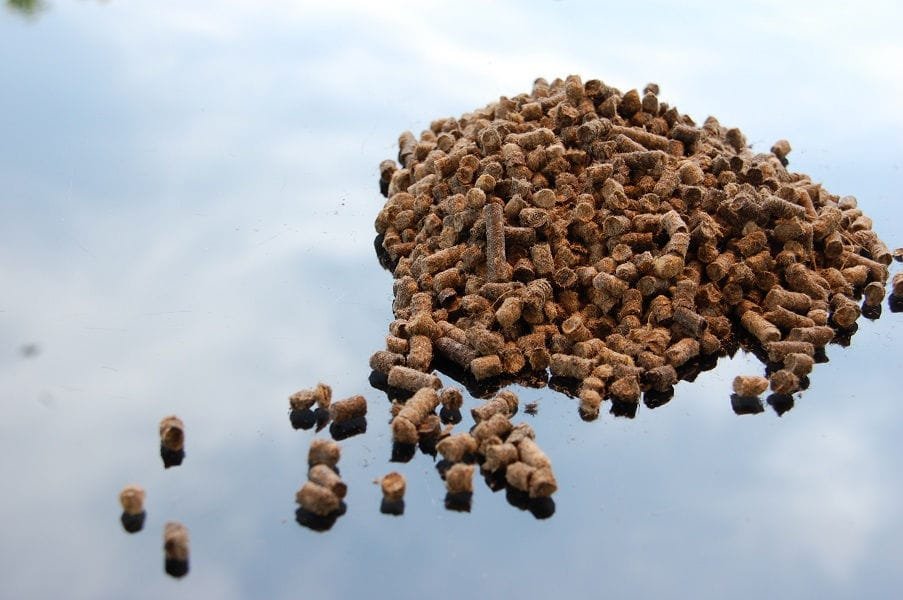
Aquatic feed production involves combining different ingredients to create a balanced formula suitable for specific species and growth stages. Common ingredients include protein sources, energy ingredients, fats, vitamins, minerals, functional additives, and binders. These ingredients are carefully processed through grinding, mixing, conditioning, and extrusion to produce high-performance feed pellets.
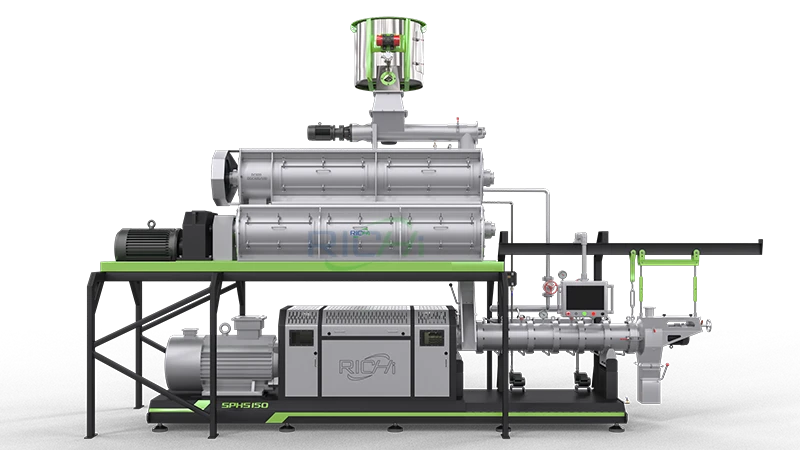
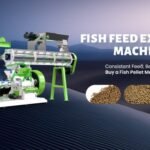
Modern feed processing technology, especially the use of a floating feed extruder machine, enables manufacturers to transform various raw materials into stable floating pellets with excellent digestibility, water stability, and feeding efficiency.
Understanding the ingredients used in aquatic feed production helps feed manufacturers develop better formulas and allows aquaculture operators to choose products that support healthier and more efficient farming.
Protein Ingredients: The Foundation of Aquatic Feed
Protein is one of the most important components in aquatic feed because it provides essential amino acids required for growth, tissue development, reproduction, and metabolism.
Aquatic animals generally have higher protein requirements compared with many terrestrial animals. Therefore, selecting suitable protein ingredients is a key part of feed formulation.
Fish Meal
Fish meal is one of the traditional high-quality protein sources used in aquatic feed production. It contains a high level of digestible protein and provides essential amino acids that support rapid growth.
Advantages of fish meal include:
- High protein content
- Excellent amino acid balance
- Good digestibility
- Strong palatability
However, due to increasing cost and concerns about sustainability, many feed manufacturers are gradually reducing dependence on fish meal by incorporating alternative protein sources.
Soybean Meal
Soybean meal is one of the most widely used plant-based protein ingredients in aquatic feed.
It provides:
- High-quality plant protein
- Stable supply
- Competitive cost
Soybean meal is commonly used in feed for species such as tilapia, carp, and other omnivorous fish.
Through proper processing, soybean meal can become an effective replacement for part of animal protein sources.
Animal Protein Sources
Other animal-based protein ingredients may include:
- Poultry by-product meal
- Blood meal
- Meat and bone meal
These ingredients can increase protein levels and improve feed nutritional balance when used appropriately.
Plant Protein Sources
Besides soybean meal, other plant-based protein ingredients include:
- Pea protein
- Corn gluten meal
- Rapeseed meal
- Sunflower meal
Plant proteins help reduce feed costs and provide more sustainable ingredient options.
Energy Ingredients: Providing Power for Growth and Metabolism
Energy ingredients supply carbohydrates and other nutrients that provide energy for aquatic animals. Proper energy balance helps fish use protein efficiently for growth rather than consuming it as an energy source.
Common energy ingredients include:
Corn
Corn is widely used in aquatic feed because it provides:
- Digestible carbohydrates
- Energy
- Good processing characteristics
Corn also improves pellet formation during extrusion.
Wheat Flour
Wheat flour is a popular ingredient in aquatic feed because it provides both energy and natural binding properties.
It helps improve:
- Pellet strength
- Water stability
- Feed texture
Because of these characteristics, wheat flour is often included in floating feed formulas.
Rice Bran
Rice bran is an agricultural by-product commonly used in fish feed production.
Benefits include:
- Affordable cost
- Energy supply
- Availability in rice-producing regions
Rice bran is especially common in freshwater fish feed formulas.
Wheat Bran
Wheat bran provides carbohydrates, fiber, and additional nutrients. It is often used as a cost-effective ingredient for various aquatic feed products.
Lipid Ingredients: Improving Energy Density and Feed Quality
Fats and oils are important sources of concentrated energy in aquatic feed. They also provide essential fatty acids required for growth, immunity, and reproduction.
Common lipid ingredients include:
Fish Oil
Fish oil is widely recognized as a valuable ingredient because it contains omega-3 fatty acids, including EPA and DHA.
These fatty acids support:
- Healthy growth
- Immune function
- Reproductive performance
Vegetable Oils
Due to cost and sustainability considerations, vegetable oils are increasingly used in aquatic feed.
Common options include:
- Soybean oil
- Rapeseed oil
- Palm oil
The choice of oil depends on species requirements and feed formulation goals.
Proper fat levels also improve pellet appearance and increase feed acceptance.
Vitamin and Mineral Ingredients: Supporting Fish Health
Although vitamins and minerals are usually added in small quantities, they play an essential role in aquatic animal health.
Vitamins
Important vitamins include:
- Vitamin A
- Vitamin D
- Vitamin E
- Vitamin C
- B-group vitamins
They support:
- Immune function
- Bone development
- Metabolism
- Disease resistance
Minerals
Minerals such as:
- Calcium
- Phosphorus
- Zinc
- Iron
- Magnesium
are necessary for normal physiological functions.
A balanced vitamin and mineral premix ensures that aquatic animals receive complete nutrition.
Functional Additives Used in Aquatic Feed
Modern aquatic feed production often includes functional additives designed to improve animal health and feed performance.
Common additives include:
Probiotics
Probiotics help maintain digestive health and improve nutrient absorption.
Enzymes
Enzymes can improve the breakdown of nutrients and increase feed utilization.
Immune Enhancers
Some additives help strengthen disease resistance and improve survival rates.
Pigments
For certain species, pigments are added to improve product appearance and market value.
The use of functional additives allows manufacturers to develop specialized feed products for different farming objectives.
Binders and Ingredients That Improve Pellet Quality
Aquatic feed pellets must maintain their shape and stability after entering water. Therefore, binders and structural ingredients are important components of feed formulas.
Common binding ingredients include:
- Wheat flour
- Starch
- Natural gums
- Other plant-based binders
These ingredients help improve:
- Pellet durability
- Water stability
- Reduced nutrient leakage
Good pellet structure is especially important for floating feed because pellets must remain intact while fish consume them.
The Role of Raw Material Processing in Aquatic Feed Production
Selecting high-quality ingredients is only the first step. Proper processing determines how effectively nutrients can be utilized.
The typical aquatic feed production process includes:
- Raw material cleaning
- Crushing
- Batching
- Mixing
- Conditioning
- Extrusion
- Drying
- Cooling
- Packaging
During crushing, ingredients are reduced into suitable particle sizes to improve mixing efficiency.
During mixing, all ingredients are evenly distributed to ensure each pellet contains balanced nutrition.
The extrusion stage is particularly important because it determines the physical characteristics of the final product.
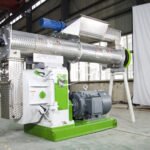
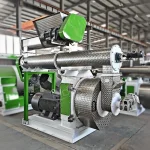
A floating feed extruder machine uses high temperature, pressure, and mechanical shear forces to process feed materials into expanded floating pellets.
https://richipelletizer.com/floating-fish-feed-extruder-machine
This process improves:
- Starch gelatinization
- Nutrient digestibility
- Pellet durability
- Floating ability
How a Floating Feed Extruder Machine Processes Different Ingredients
The characteristics of aquatic feed depend not only on ingredients but also on extrusion conditions.
A floating feed extruder machine can process different formulas by adjusting:
- Temperature
- Moisture level
- Pressure
- Screw configuration
- Die size
For example, a formula containing more starch ingredients usually has better expansion ability, which helps produce floating pellets.
Protein-rich formulas may require different processing parameters to maintain pellet quality.
By controlling extrusion conditions, manufacturers can produce feed suitable for:
- Tilapia
- Catfish
- Carp
- Trout
- Other freshwater fish
The flexibility of extrusion technology allows feed producers to respond to different market demands.
(Learn more about wet type fish feed extruder machine and dry type fish feed extruder)
How Ingredient Selection Affects Feed Performance
The combination of ingredients directly influences several important feed characteristics.
Feed Digestibility
High-quality protein sources and proper processing improve nutrient absorption.
Floating Performance
The balance between starch, protein, and processing conditions affects pellet density.
Water Stability
Good formulas and extrusion technology prevent pellets from breaking down too quickly.
Growth Performance
Balanced nutrition supports faster growth and better feed conversion.
Therefore, feed manufacturers must carefully optimize ingredient ratios to achieve the best results.
Sustainable Ingredient Trends in Aquatic Feed Production
Sustainability has become increasingly important in the aquaculture industry. Feed manufacturers are exploring alternative ingredients to reduce environmental pressure and improve resource efficiency.
Emerging ingredients include:
- Insect protein
- Algae-based ingredients
- Fermented plant proteins
- Agricultural by-products
These alternatives can help reduce dependence on traditional resources while maintaining feed nutritional value.
Advanced processing equipment allows manufacturers to incorporate new ingredients into feed formulas while maintaining pellet quality. (browse around this site)
Choosing Ingredients for Different Aquatic Species
Different species have different nutritional requirements, so feed formulas must be customized.
For example:
Fish Feed
Fish feed usually focuses on protein balance, pellet size, and floating performance.
Shrimp Feed
Shrimp feed requires excellent water stability because shrimp often consume feed slowly.
Carnivorous Species
Species such as trout require higher levels of animal protein.
Herbivorous Species
Species such as tilapia can utilize more plant-based ingredients.
Customized formulas help farmers achieve better growth performance and reduce unnecessary feed costs.
Conclusion: Ingredients Determine the Quality of Aquatic Feed
The ingredients used in aquatic feed production determine the nutritional value, processing performance, and final quality of feed pellets. Protein sources, energy ingredients, oils, vitamins, minerals, additives, and binders all work together to create balanced feed products that support efficient aquaculture.
However, high-quality ingredients alone are not enough. Advanced processing technology is also essential for converting raw materials into stable and digestible pellets. Equipment such as a floating feed extruder machine allows manufacturers to produce floating feed with excellent water stability, improved nutrient utilization, and consistent quality.
As global aquaculture continues to expand, the demand for efficient and sustainable aquatic feed production will continue to grow. By selecting the right ingredients and applying advanced extrusion technology, feed manufacturers can provide better products for farmers and contribute to the long-term development of the aquaculture industry. (Richi Machinery)