


Introduction
The transition toward renewable energy has become one of the most important global industrial trends. As countries continue to reduce their dependence on fossil fuels, biomass energy has emerged as a practical and sustainable alternative. Among different renewable fuel solutions, biomass pellets have gained strong market acceptance because they are easy to transport, convenient to store, and suitable for automatic combustion systems.
Germany has long been recognized as one of the leading countries in environmental protection, renewable energy development, and industrial manufacturing. The country’s strict quality requirements and advanced engineering capabilities have greatly influenced the development of biomass processing equipment. From small farms to large commercial energy companies, many users are looking for reliable pellet production solutions that can provide stable output, lower operating costs, and long service life.
Modern pellet production is no longer simply about compressing raw materials. It requires a complete understanding of raw material characteristics, mechanical design, energy consumption, production efficiency, and environmental standards. This is why professional equipment designed for European markets has attracted increasing attention.
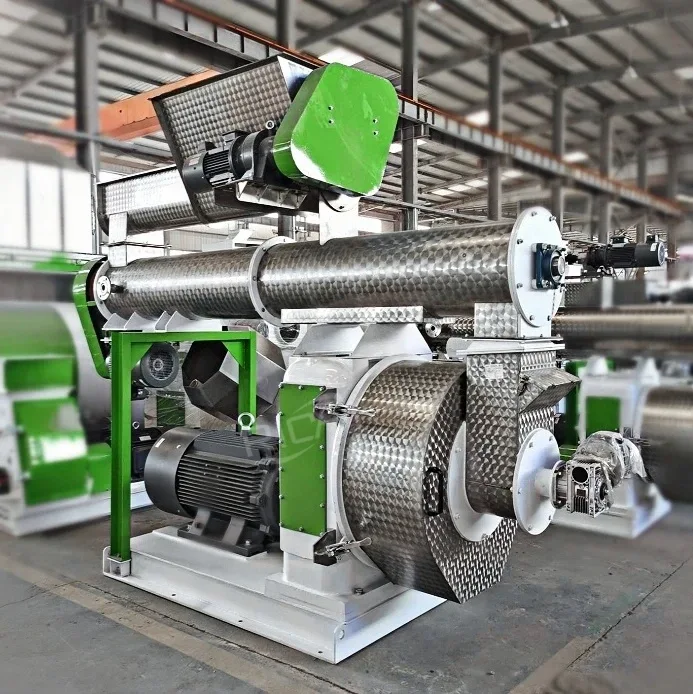
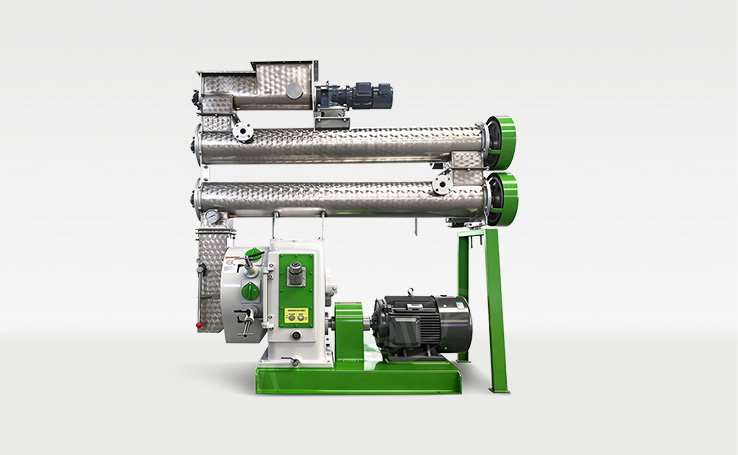
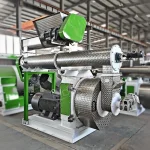
A well-designed pellet press machine germany solution can help businesses transform agricultural residues, forestry waste, and other biomass resources into valuable renewable fuel while improving overall production efficiency.
The Growing Importance of Biomass Energy in Europe
Europe has been actively promoting renewable energy development for many years. With increasing concerns about carbon emissions and energy security, many countries are accelerating the adoption of alternative fuels.
Biomass pellets have several advantages compared with traditional energy sources:
1. Renewable Raw Material Availability
Biomass resources are widely available in agricultural and forestry industries. Common materials include:
- Sawdust
- Wood chips
- Tree branches
- Straw
- Rice husks
- Sunflower shells
- Agricultural residues
Instead of being burned openly or discarded, these materials can be processed into high-value fuel products.
2. Stable Combustion Performance
Pellets have higher density compared with loose biomass materials. This improves:
- Transportation efficiency
- Storage convenience
- Burning stability
- Automatic feeding performance
Many heating systems and industrial boilers are designed specifically for pellet fuel because of its consistent size and moisture content.
3. Lower Environmental Impact
Biomass pellets are considered a renewable energy source because the carbon released during combustion is part of the natural carbon cycle. When produced properly, they can significantly reduce dependence on fossil fuels.
Why German Manufacturing Concepts Are Highly Valued
Germany has a strong reputation for precision engineering and industrial reliability. These characteristics are especially important in biomass pellet production because pelletizing equipment often operates continuously under demanding conditions.
A professional biomass pellet system needs to maintain:
- Stable pressure during pellet formation
- Accurate temperature control
- Efficient energy consumption
- Long component lifespan
- Easy maintenance
German industrial users usually focus not only on purchasing equipment but also on long-term operational performance.
A machine with excellent design can reduce unexpected downtime and improve production profitability.
For example, many industrial customers consider factors such as:
- Motor efficiency
- Bearing quality
- Transmission structure
- Wear resistance
- Automation level
before selecting equipment.
Understanding Modern Pellet Production Technology
The pellet production process involves several important stages. Each stage influences the final pellet quality.
Raw Material Preparation
Before pelletizing, biomass materials usually need preparation.
The first step is size reduction. Large materials such as branches and wood chips must be crushed into smaller particles.
The ideal particle size helps improve:
- Material flow
- Compression efficiency
- Pellet strength
Moisture control is another important factor. Biomass materials usually require suitable moisture levels because excessive dryness or humidity can affect pellet quality.
Material Grinding and Conditioning
After crushing, biomass particles are further processed to achieve uniform characteristics.
Some production systems also include conditioning processes where materials are mixed with moisture or additives when necessary.
Proper conditioning helps:
- Improve pellet durability
- Reduce machine wear
- Increase production capacity
Pelletizing Process
The core step of production is compression.
During pelletizing, biomass particles pass through a die under high pressure. Natural lignin inside wood materials acts as a binding agent, helping particles maintain their shape after cooling.
Different raw materials require different machine configurations.
For example:
- Softwood usually requires different settings compared with hardwood.
- Straw materials may need special feeding systems.
- Agricultural residues may require additional preparation.
Choosing suitable equipment is essential for achieving stable production.
Applications of Biomass Pellet Equipment in Different Industries
Biomass pellet production is not limited to large energy companies. Different industries can benefit from pellet manufacturing.
Forestry Companies
Forestry enterprises generate large amounts of wood waste every year. Instead of disposing of these residues, they can process them into commercial fuel pellets.
This creates additional revenue streams while reducing waste.
Agricultural Businesses
Farmers and agricultural companies often have access to materials such as:
- Corn stalks
- Straw
- Sunflower shells
- Crop residues
These materials can become valuable biomass fuel after processing.
For companies focusing on specific agricultural resources, equipment such as a wood pellet mill italy or similar biomass processing systems may provide flexible production options for different markets.
Heating Fuel Suppliers
The demand for renewable heating solutions continues to grow. Pellet suppliers need reliable equipment to maintain consistent production quality.
Commercial pellet production requires machines capable of:
- Continuous operation
- High efficiency
- Low maintenance requirements
Key Factors When Selecting Biomass Pellet Equipment
Choosing suitable equipment requires careful evaluation. A machine should match the customer’s production goals, raw materials, and investment plans.
Production Capacity
Different businesses require different output levels.
Small enterprises may need compact systems, while industrial factories require larger production lines.
Capacity planning should consider:
- Available raw materials
- Market demand
- Future expansion possibilities
Raw Material Characteristics
Not every biomass material behaves the same during compression.
Wood materials usually have better natural binding properties, while agricultural residues may require additional processing.
Before purchasing equipment, users should analyze:
- Material density
- Moisture content
- Particle size
- Fiber structure
Energy Consumption
Energy efficiency directly affects production costs.
Modern pellet systems focus on:
- Efficient motors
- Optimized transmission systems
- Reduced power consumption
Lower energy usage improves long-term profitability.
The Role of Professional Manufacturers in Biomass Development
A reliable equipment supplier does more than provide machinery. Professional manufacturers offer complete technical support, including:
- Production line design
- Equipment selection
- Installation guidance
- Operation training
- After-sales service
Companies searching for industrial pellet solutions often compare different suppliers based on experience, engineering capability, and global project performance.
A complete pellet plant requires coordination between multiple machines, including:
- Crusher
- Dryer
- Pellet mill
- Cooler
- Screening equipment
- Packaging system
A properly designed system ensures smooth production from raw materials to finished products.
Future Development Trends of Biomass Pellet Production
The biomass industry continues to evolve as technology improves.
Several trends are expected to influence future development.
Higher Automation Levels
Modern factories increasingly use automatic control systems to improve efficiency.
Automation helps operators monitor:
- Production speed
- Equipment status
- Energy consumption
- Product quality
Improved Energy Efficiency
Manufacturers continue developing equipment with lower power consumption and higher output.
This allows businesses to reduce operating expenses while maintaining competitive production costs.
More Flexible Raw Material Processing
Future pellet systems will need to process a wider range of biomass resources.
This includes:
- Agricultural waste
- Forestry residues
- Industrial organic waste
Flexible equipment design will become increasingly valuable.
Why Investment in Advanced Pellet Technology Makes Sense
For businesses considering entering the biomass energy market, pellet production represents a promising opportunity.
The advantages include:
- Growing renewable energy demand
- Wide availability of raw materials
- Multiple application markets
- Long-term sustainability
However, success depends heavily on selecting suitable equipment and developing an efficient production strategy.
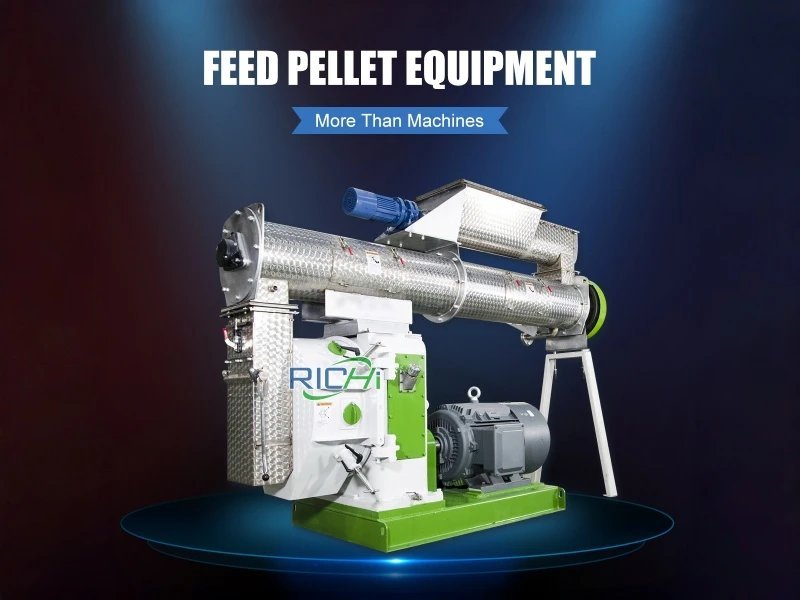
A professional Richi Pellet Mill system, for example, represents the type of integrated approach many companies consider when building reliable biomass fuel production projects.
Conclusion
The future of renewable energy requires practical solutions that combine environmental responsibility with industrial efficiency. Biomass pellet production has proven to be one of the most effective ways to convert agricultural and forestry waste into valuable renewable fuel.
Germany’s engineering philosophy, focused on quality, reliability, and innovation, continues to influence the development of advanced pellet manufacturing technology worldwide.
For companies entering the biomass fuel industry, investing in efficient equipment, selecting suitable raw materials, and building a complete production strategy are essential steps toward long-term success.
As global demand for cleaner energy continues to rise, modern pellet production technology will play an increasingly important role in creating a more sustainable energy future. If needed, you can go to website directly.
Related Post:https://pelletizerequipment.com/rdf-pellet-mill/