

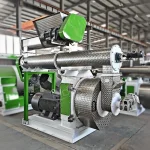

Cassava is one of the world’s most important root crops, providing food and industrial raw materials for millions of people across Africa, Southeast Asia, and South America. Besides producing starch and food products, cassava cultivation also generates large amounts of residues, including peels, stems, leaves, pulp, and processing waste. In the past, much of this biomass was discarded or burned, creating environmental and economic challenges.
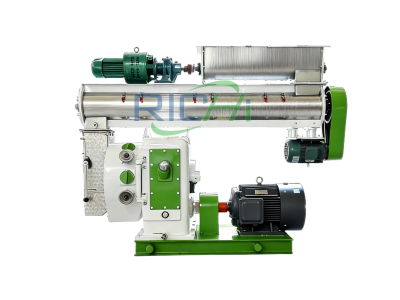
Today, with the rapid development of biomass utilization technologies, these by-products are becoming valuable raw materials. Using a cassava pellet machine, agricultural processors can convert cassava waste into dense, durable pellets suitable for biomass fuel, livestock feed, organic fertilizer, or industrial applications. This not only reduces waste but also creates an additional source of income for farmers and processing enterprises.
As governments continue promoting renewable energy and sustainable agriculture, cassava pellet production is attracting increasing attention from investors worldwide.
Why Cassava Is an Ideal Material for Pellet Production
Cassava is widely grown because it adapts well to different climates and soil conditions. Every year, millions of tons of cassava residues are generated after harvesting and starch processing.
The most common pellet raw materials include:
- Cassava stalks
- Cassava peels
- Cassava leaves
- Cassava pulp
- Cassava stems
- Dried processing residues
These materials contain abundant organic matter and can be compressed into high-density pellets after proper drying and grinding.
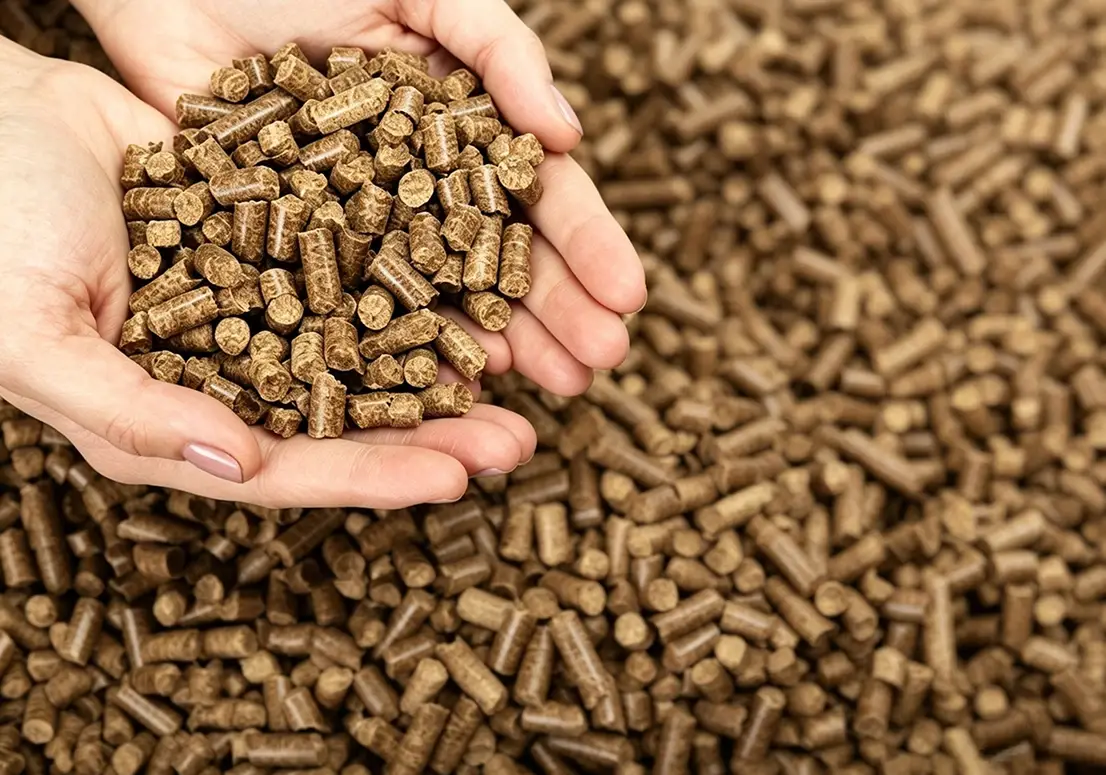
Compared with loose biomass, pellets are much easier to transport, store, and sell. Their higher density also improves combustion efficiency when used as biomass fuel.
For feed manufacturers, cassava pellets can be blended with protein-rich ingredients to produce economical livestock feed, especially for cattle, sheep, and goats.
Main Applications of Cassava Pellets
One of the biggest advantages of cassava pellet production is its versatility.
Depending on the raw materials and formulation, finished pellets can serve different industries.
Biomass Fuel
Cassava residues have considerable heating value after drying. Biomass pellets produced from cassava waste are widely used in industrial boilers, biomass power plants, and commercial heating systems.
Animal Feed
Cassava pellets are commonly incorporated into livestock diets because they provide an economical energy source. When mixed with soybean meal, corn, vitamins, and minerals, they become an excellent component of balanced feed formulas.
Organic Fertilizer
Cassava processing waste can also be blended with animal manure and microbial additives before pelletizing, producing organic fertilizer suitable for modern farming.
Agricultural Recycling
Instead of burning crop residues in the field, pellet production helps farmers recycle valuable biomass while reducing environmental pollution.
How a Cassava Pellet Machine Works
The pelletizing process consists of several important stages.
First, cassava residues are collected and transported to the processing facility.
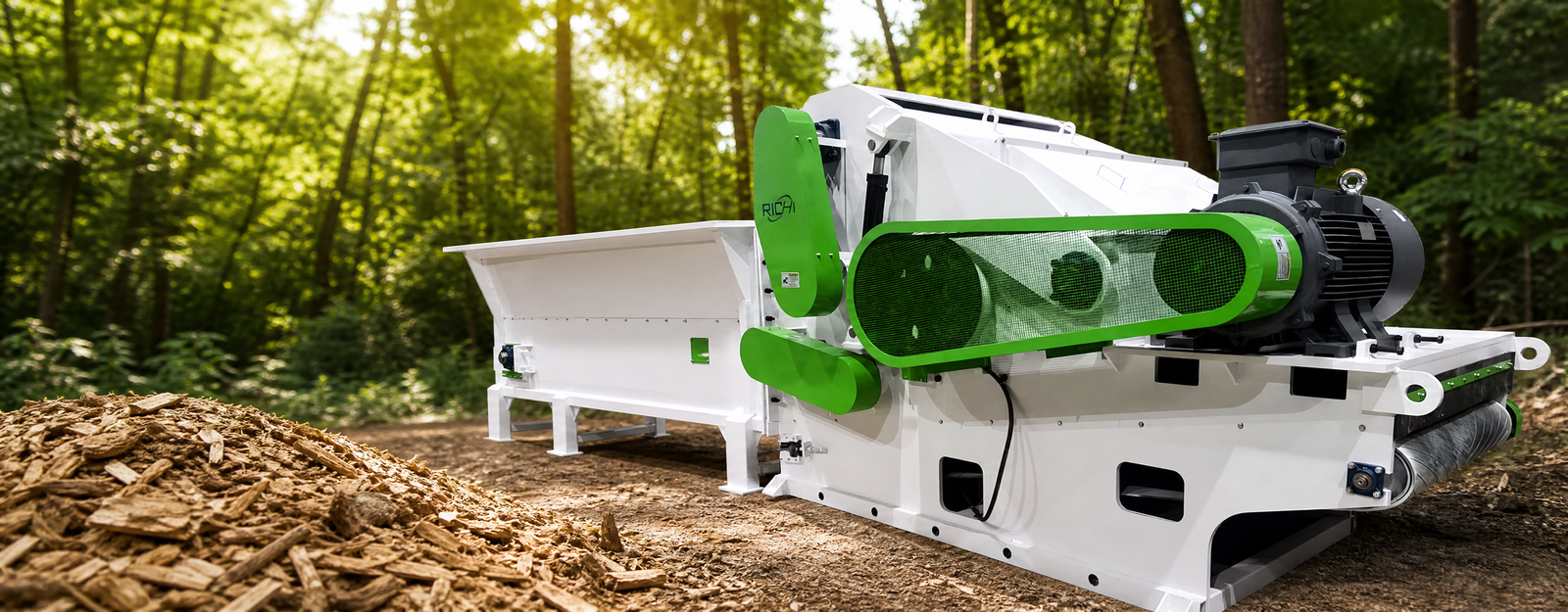
Large materials such as stems and stalks are crushed into smaller particles using a hammer mill.
If moisture exceeds the required level, the material passes through a drying system until suitable conditions are reached.
Next, the material enters the conditioner, where moisture and temperature are adjusted to improve pellet formation.
Inside the pellet mill, rollers compress the conditioned material through precision-machined die holes, producing cylindrical pellets with uniform diameter.
Fresh pellets are then cooled before passing through a vibrating screen to remove dust and broken particles.
Finally, qualified pellets are automatically weighed and packaged for storage or transportation.
This complete process ensures stable pellet quality and high production efficiency.
Equipment Configuration
Although every project differs according to production requirements, a standard cassava pellet production line generally includes:
- Raw material conveyor
- Hammer mill
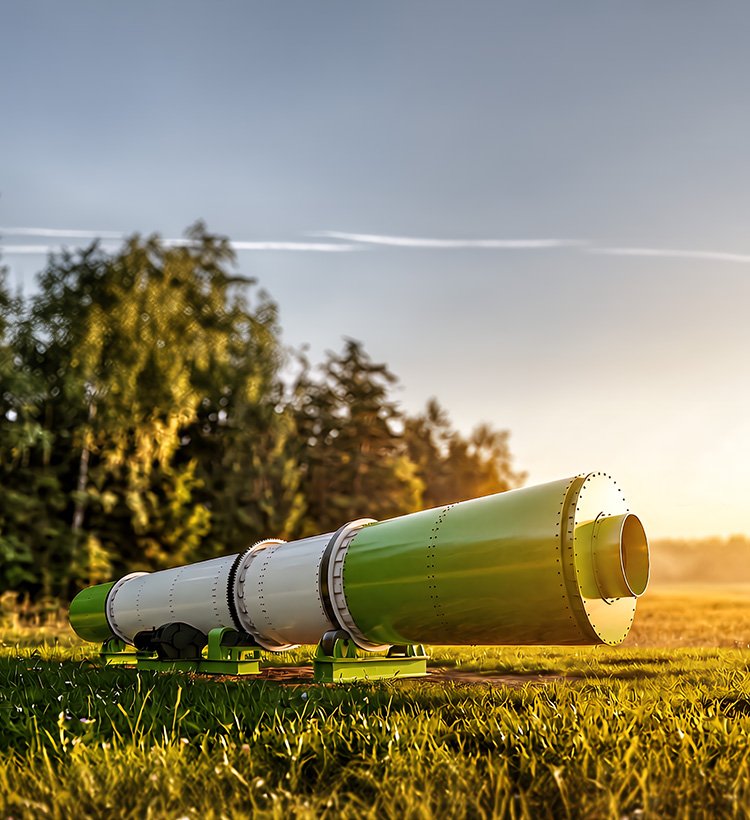
- Rotary dryer
- Storage silo
- Conditioner
- Pellet mill
- Counterflow cooler
- Vibrating screener
- Automatic packing machine
- Dust collection system
Many industrial customers choose an industrial RDF pellet mill because heavy-duty equipment with reinforced transmission systems performs reliably when processing fibrous agricultural materials like cassava stalks and mixed biomass residues.
Selecting equipment with sufficient capacity allows manufacturers to expand production as market demand grows.
Benefits of Modern Pellet Technology
Modern pellet equipment offers several important advantages over traditional processing methods.
Higher Production Efficiency
Automated feeding and intelligent control systems ensure continuous operation while reducing labor requirements.
Better Pellet Quality
Uniform pressure produces pellets with consistent density, smoother surfaces, and improved durability.
Lower Transportation Costs
Pelletizing significantly increases bulk density, reducing logistics expenses and warehouse requirements.
Improved Environmental Protection
Instead of burning agricultural waste, pellet production converts biomass into valuable commercial products.
Greater Investment Returns
By creating additional value from agricultural residues, pellet production helps processors generate new income while improving resource utilization.
Case Study: Cassava Pellet Project in Thailand
A medium-sized cassava starch factory in northeastern Thailand produced thousands of tons of cassava pulp every year. Disposal costs continued increasing, and management wanted to develop a more profitable solution.
After evaluating several biomass utilization options, the company established a pellet production line capable of processing approximately five tons of cassava residues per hour.
Raw Material Composition
- Cassava pulp — 60%
- Cassava peels — 20%
- Cassava stalk powder — 10%
- Rice husk — 10%
The finished pellets were supplied to biomass heating companies and local livestock feed manufacturers.
Within the first year, the project significantly reduced waste disposal costs while creating a new source of revenue.
Because the production line operated with a high level of automation, only a few operators were required during each production shift.
Tips for Choosing the Right Machine
When purchasing pellet equipment, investors should consider several important factors.
Production capacity should match the available raw material supply rather than selecting equipment that is unnecessarily large.
The ring die should be manufactured from high-quality alloy steel to ensure long service life.
Rollers should provide stable compression while maintaining low wear.
Electrical control systems should support automatic monitoring and fault diagnosis.
Reliable after-sales service is equally important because spare parts availability directly influences production continuity.
Many international customers therefore prefer experienced manufacturers capable of providing complete engineering support, equipment installation, and operator training.
Complete production solutions from Richi Pellet Mill help customers shorten installation time while improving long-term production efficiency.
Future Market Prospects
Global demand for renewable biomass fuel continues growing as governments seek cleaner energy alternatives.
Meanwhile, cassava cultivation remains one of the fastest-growing agricultural industries in tropical regions.
These two trends are creating excellent opportunities for cassava pellet production.
Future production lines are expected to become even more intelligent through automated process optimization, remote monitoring, and energy-saving technologies.
Manufacturers that invest in efficient pellet systems today will be better prepared to meet tomorrow’s environmental regulations and market demands.
For investors seeking more technical information, successful project references, or equipment selection advice, additional engineering resources are available through go to website, providing practical guidance for biomass processing projects around the world.
With proper planning, reliable equipment, and abundant raw material resources, cassava pellet production offers an attractive opportunity to increase agricultural value while contributing to a more sustainable and resource-efficient future.
Related Post:https://pelletizerequipment.com/cat-litter-pellet-machine/