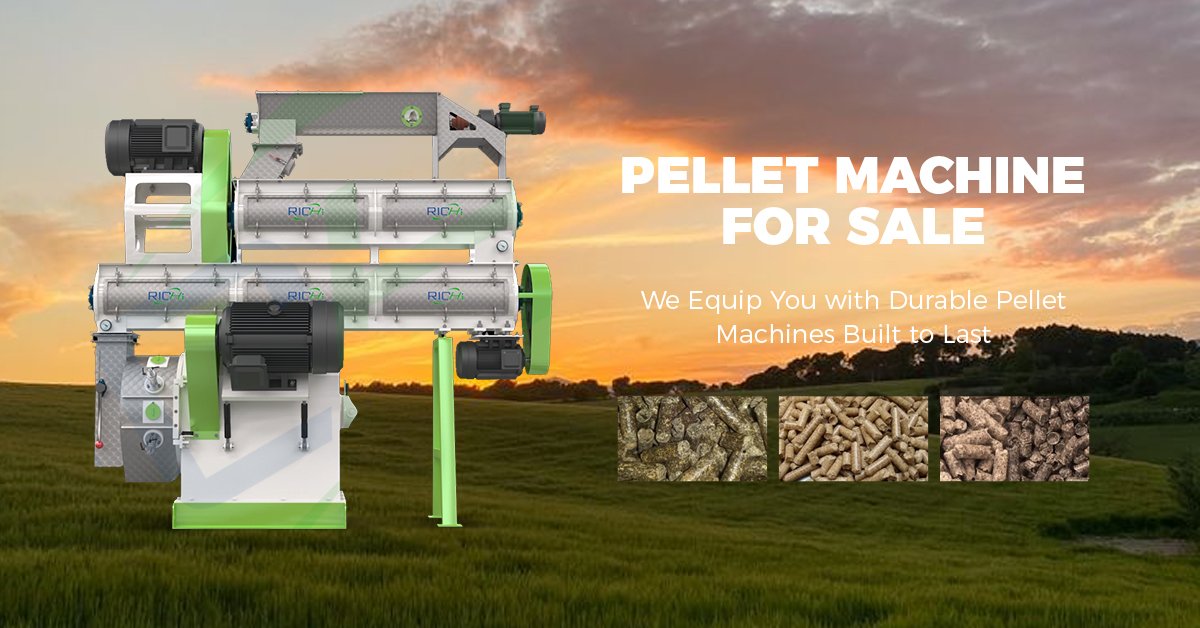
Introduction: The Hidden Value Behind Rice Straw Resources
Rice is one of the most important agricultural crops in the world, supporting billions of people and creating millions of tons of agricultural residues every year. Among these residues, rice straw is often considered a disposal problem because it is difficult to handle, has low transportation efficiency, and is frequently burned in open fields.
However, with the development of renewable energy technologies, rice straw is becoming an increasingly valuable biomass resource. Instead of treating straw as waste, farmers, agricultural companies, and energy producers are exploring ways to convert it into clean fuel pellets.
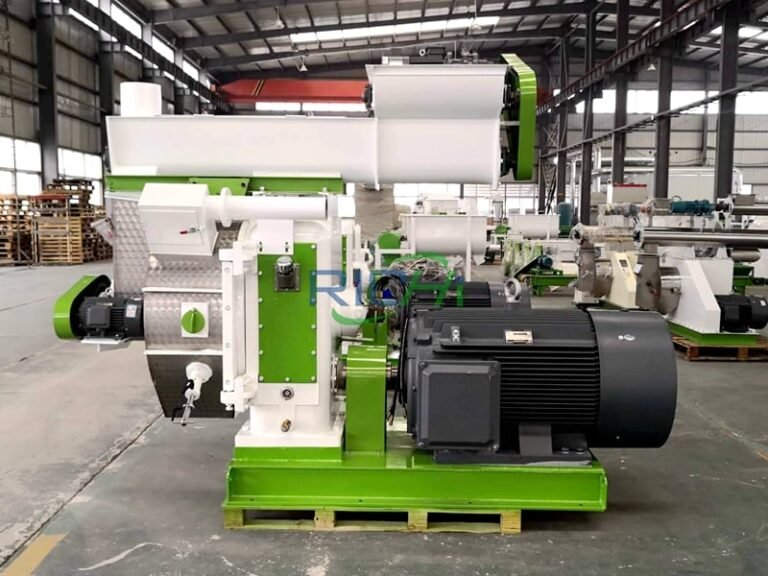
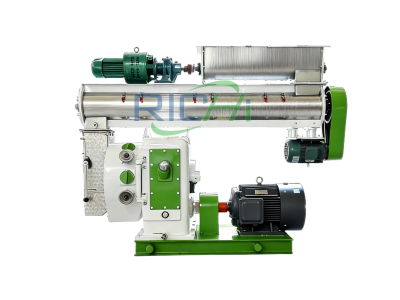
The transformation of loose agricultural residues into dense pellets requires reliable processing equipment. Modern biomass pelletizing technology provides an effective solution by improving material density, storage convenience, and transportation efficiency. This has made the rice straw pellet machine an important part of sustainable biomass development projects in many agricultural regions.
Why Rice Straw Has Become an Important Biomass Material
Rice straw contains a significant amount of cellulose, hemicellulose, and lignin, which makes it suitable for energy production. In many rice-producing countries, large quantities of straw are available after harvesting, including regions in Asia, South America, and parts of Africa.
Traditionally, farmers have faced several challenges when managing rice straw:
- High moisture content after harvesting
- Large storage volume
- Difficult transportation
- Environmental pollution caused by burning
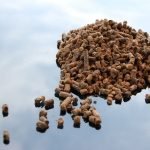
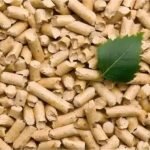
Pellet production offers a practical alternative. Through crushing, drying, conditioning, and compression, loose straw can be transformed into uniform biomass pellets with higher energy density.
These pellets can be used in:
- Industrial boilers
- Biomass power plants
- Heating systems
- Commercial fuel applications
- Animal bedding production
This creates additional income opportunities for agricultural businesses while reducing environmental pressure.
How Pelletizing Technology Improves Rice Straw Utilization
The biggest challenge with agricultural residues is their original physical form. Raw rice straw is lightweight and bulky, which increases logistics costs. Pelletizing solves this problem by compressing the material into compact cylindrical shapes.
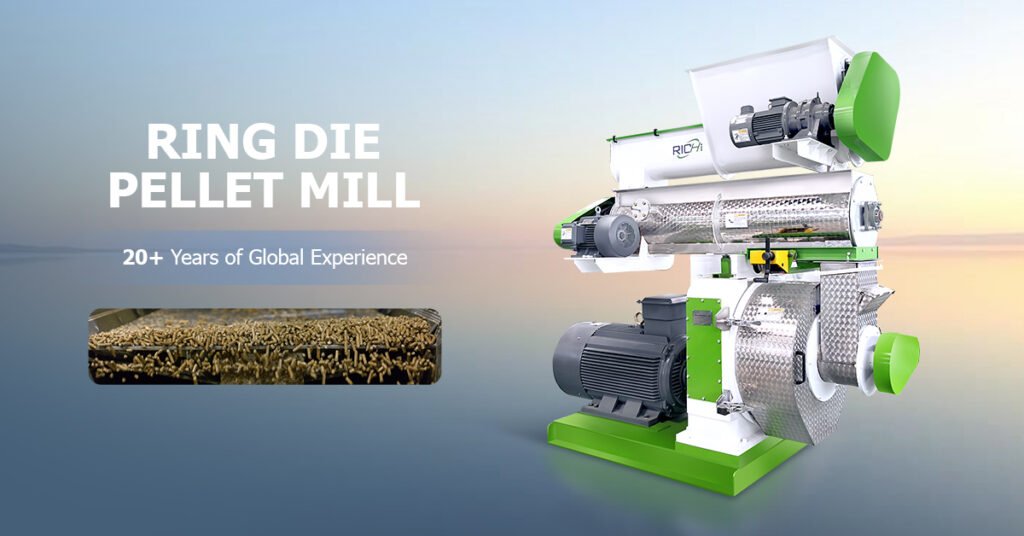
(Related Post: https://biomasspelletizer.com/straw-pellet-production-line/)
A complete biomass pellet production process usually includes:
1. Raw Material Preparation
Rice straw must first be collected, cleaned, and processed. Depending on the condition of the material, additional steps such as chopping and drying may be required.
Reducing straw size helps improve feeding stability and ensures better pellet quality during compression.
2. Crushing and Grinding
A hammer mill or similar crushing equipment is commonly used to reduce straw particles into suitable sizes.
Uniform particle size allows the pellet mill to achieve better compression performance and produce stronger pellets.
3. Moisture Adjustment
Moisture content plays a key role in biomass pellet production.
If the material is too dry, pellets may become fragile. If the moisture is too high, production efficiency decreases and pellet quality may become unstable.
Professional biomass projects usually control moisture carefully before entering the pelletizing process.
4. Pellet Compression
During pelletizing, pressure and heat activate natural binders inside the biomass material. The result is a dense pellet with improved durability.
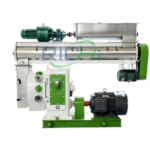
Different production capacities require different equipment configurations. For example, medium and large-scale agricultural projects may consider solutions such as a 5-6 T/H corn straw pellet machine for sale when processing large amounts of similar crop residues.
Although corn straw and rice straw have different characteristics, both belong to agricultural biomass resources that require efficient pelletizing technology.
Choosing the Right Equipment for Biomass Pellet Production
Selecting suitable pellet equipment is one of the most important decisions for investors. Different raw materials, production targets, and application requirements influence equipment selection.
Several factors should be considered:
Production Capacity
Small farms may only require a compact system, while commercial biomass fuel producers need higher-capacity solutions.
A proper capacity match helps reduce unnecessary investment and improves operational efficiency.
Raw Material Characteristics
Different agricultural residues have different fiber structures and moisture conditions.
Rice straw, wheat straw, corn stalks, and other biomass materials may require different preparation processes before pelletizing.
Equipment Reliability
Long-term operation requires stable machinery with strong wear resistance and easy maintenance.
Experienced manufacturers usually provide complete solutions including equipment selection, process design, installation support, and technical guidance.
The Role of Professional Manufacturers in Biomass Projects
A reliable supplier can significantly influence the success of a pellet production project. Beyond providing individual machines, professional manufacturers often offer complete production solutions based on customer requirements.
For example, experienced companies such as Richi Pellet Mill focus on biomass processing equipment development and provide customized pelletizing solutions for different materials.
Choosing equipment straight from the source can help customers better understand machine performance, production capacity, and technical specifications before investment.
A professional manufacturer should provide:
- Equipment customization
- Production line design
- Installation guidance
- Spare parts support
- Technical consultation
These services help reduce project risks and improve long-term production stability.
Environmental Benefits of Rice Straw Pellet Production
The conversion of rice straw into pellets provides several environmental advantages.
Reducing Open Burning
In many agricultural areas, straw burning creates air pollution and greenhouse gas emissions. Pellet production provides an alternative utilization method.
Supporting Renewable Energy Development
Biomass pellets are renewable fuels that can replace part of traditional fossil energy sources.
Improving Agricultural Efficiency
Farmers can create additional value from agricultural residues instead of treating them as waste.
This circular approach supports sustainable farming and rural economic development.
Future Market Potential of Agricultural Biomass Pellets
The demand for renewable energy continues to grow worldwide. Governments, industries, and energy companies are increasingly interested in biomass solutions because they help reduce carbon emissions and improve energy diversity.
Rice-producing countries have strong potential for biomass pellet development due to abundant raw material availability.
Future opportunities may come from:
- Export biomass fuel markets
- Industrial heating applications
- Agricultural waste recycling projects
- Combined farming and energy business models
As technology continues improving, biomass pellet production will become more efficient and accessible.
Conclusion: Building a Sustainable Future With Rice Straw Resources
Rice straw is no longer simply an agricultural by-product. With advanced processing technology, it can become a valuable renewable energy resource.
Investing in efficient pelletizing equipment allows businesses to transform low-value residues into profitable products while supporting environmental protection.
Whether for small agricultural operations or large biomass fuel projects, selecting suitable equipment and working with experienced suppliers are essential steps toward successful production.
The development of rice straw pellet solutions represents a practical way to connect agriculture, energy, and sustainability for a cleaner future.