

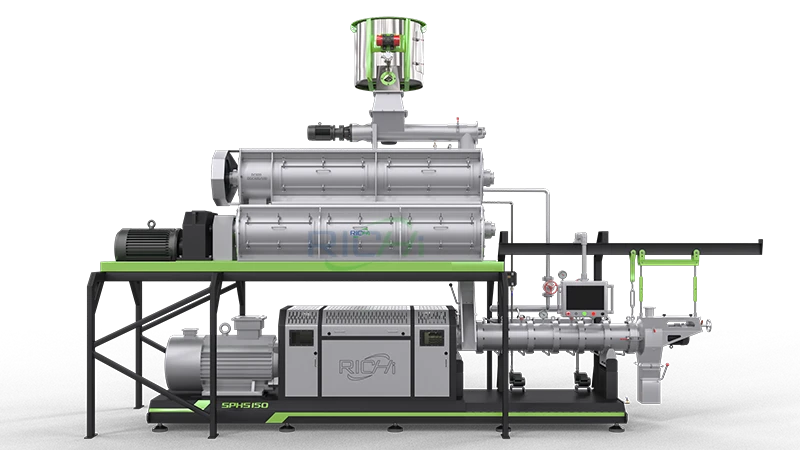
The rapid expansion of global aquaculture has increased the demand for high-quality fish feed that can support healthy growth, improve feed efficiency, and reduce environmental impact. In modern fish farming, feed quality is one of the most important factors influencing production performance. A well-designed feed product not only provides essential nutrients but also improves digestion, reduces waste, and helps farmers achieve better economic returns.
Traditional pelletizing methods have been widely used in animal feed production for many years. However, aquatic animals have unique feeding behaviors and environmental requirements, making conventional feed processing methods insufficient in many applications. Fish feed must have excellent water stability, suitable buoyancy, high digestibility, and consistent pellet quality to meet the requirements of intensive aquaculture.
Extrusion technology has become a key solution for improving fish feed quality. By using controlled heat, moisture, pressure, and mechanical shear, extrusion changes the physical and chemical properties of feed ingredients and produces pellets with improved nutritional value and physical performance.
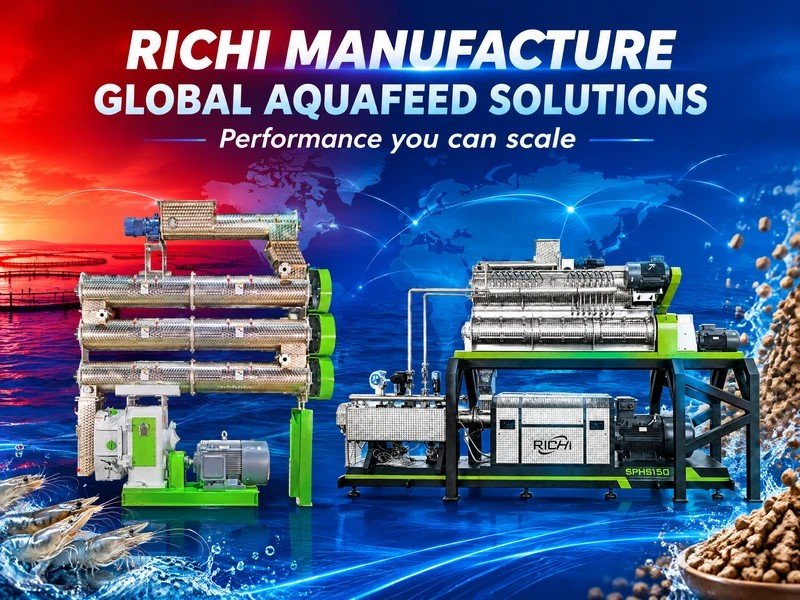
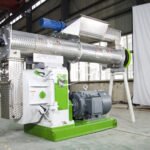
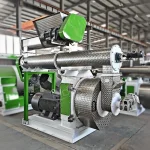
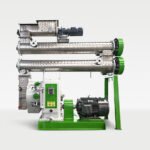
A modern fish feed pellet extruder is the core equipment used in this process. It allows manufacturers to precisely control extrusion conditions and produce high-quality floating, sinking, and slow-sinking feed suitable for different aquatic species.
Through improved nutrient utilization, enhanced pellet stability, better feeding performance, and increased production flexibility, extrusion technology has become an essential part of advanced aquafeed manufacturing.
Understanding Fish Feed Extrusion Technology
Fish feed extrusion is an advanced processing method that uses thermal and mechanical energy to transform mixed feed ingredients into stable pellets.
During extrusion, the prepared feed mixture enters an extrusion chamber where it experiences:
- High temperature
- High pressure
- Moisture treatment
- Mechanical shear
Inside the extruder, rotating screws transport and compress the material. The combination of heat and pressure causes important changes in the ingredients, including starch gelatinization, protein modification, and structural transformation.
When the material exits through the die, the sudden pressure reduction causes moisture evaporation. This creates an expanded pellet structure with controlled density and improved feeding characteristics.
Compared with traditional pellet production, extrusion provides better control over:
- Pellet shape
- Density
- Floating ability
- Water stability
- Nutrient availability
These advantages make extrusion technology highly suitable for producing premium-quality aquatic feed.
1. Improving Nutrient Digestibility Through Extrusion
One of the most significant ways extrusion improves fish feed quality is by increasing nutrient digestibility.
Fish require highly available nutrients to support growth, but many raw ingredients contain complex structures that limit nutrient absorption.
During extrusion, heat and moisture modify feed ingredients and make nutrients easier for fish to utilize.
Enhanced Starch Gelatinization
Starch is an important component in many fish feed formulas because it provides energy and helps bind pellets.
Extrusion causes starch granules to absorb water and gelatinize, which improves:
- Carbohydrate digestibility
- Pellet binding ability
- Feed texture
- Nutrient utilization
Proper starch gelatinization creates stronger pellets and allows fish to obtain more energy from feed.
Improved Protein Utilization
Protein is essential for fish growth, especially for carnivorous species with high protein requirements.
Extrusion modifies protein structures, improving accessibility for digestive enzymes. This helps fish absorb amino acids more efficiently.
As a result, extrusion contributes to:
- Faster growth rates
- Better feed conversion ratios
- Reduced feeding costs
2. Reducing Anti-Nutritional Factors
Many plant-based ingredients are increasingly used in aquafeed formulas because of their availability and cost advantages. However, some plant materials contain anti-nutritional factors that may interfere with digestion.
Examples include:
- Soybean inhibitors
- Certain enzyme inhibitors
- Compounds affecting nutrient absorption
Extrusion processing helps reduce these undesirable components through controlled heat treatment.
This improves:
- Ingredient utilization
- Feed safety
- Nutritional availability
By allowing more flexible use of alternative ingredients, extrusion technology supports the development of more sustainable fish feed formulas.
3. Enhancing Pellet Water Stability
Water stability is a critical quality indicator for aquatic feed.
Unlike terrestrial animal feed, fish feed is consumed in water. If pellets dissolve too quickly, nutrients are released before fish can consume them, causing:
- Feed waste
- Higher production costs
- Poor water quality
Extrusion technology improves water stability by creating a stronger pellet structure.
During extrusion:
- Starch gelatinizes
- Ingredients bind together
- Pellet durability increases
High-quality extruded feed can maintain its structure in water for longer periods, allowing fish more time to consume nutrients.
Improved water stability provides benefits such as:
- Reduced nutrient loss
- Better feed efficiency
- Cleaner farming environments
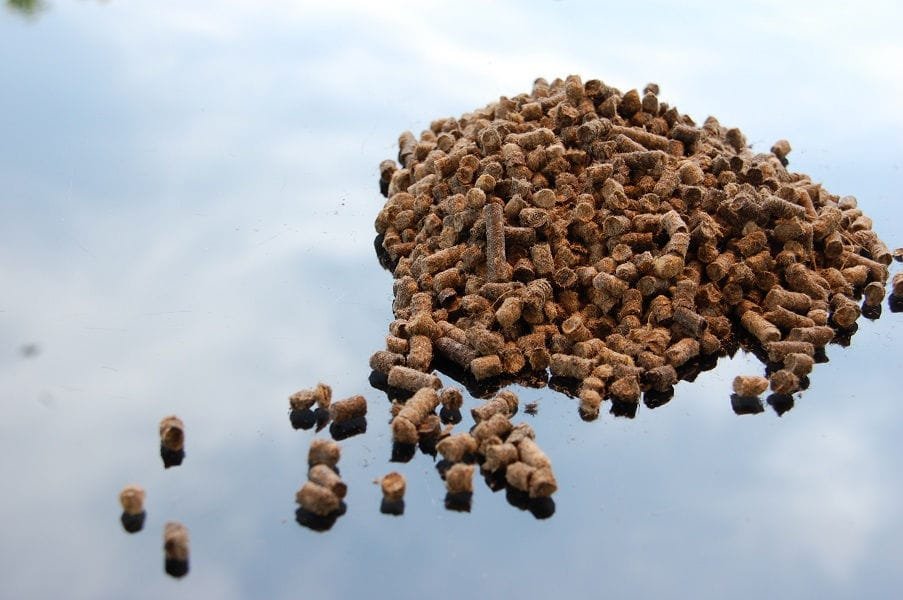
4. Improving Floating Feed Performance
Floating feed has become increasingly popular in modern aquaculture because it allows farmers to observe feeding activity and manage feed quantities more effectively.
The floating ability of fish feed depends on pellet density and internal structure.
During extrusion, rapid pressure release at the die outlet creates small air pockets inside pellets. These air spaces reduce density and allow feed to float.
A professional fish feed pellet extruder enables manufacturers to control:
- Expansion rate
- Pellet density
- Floating duration
- Pellet structure
This allows production of floating feed suitable for species such as:
- Tilapia
- Carp
- Catfish
- Trout
Floating feed improves farming management because farmers can easily monitor consumption and adjust feeding strategies.
https://richipelletizer.com/floating-fish-feed-extruder-machine
5. Producing More Uniform and Attractive Pellets
Pellet appearance and consistency directly influence feed acceptance and production efficiency.
Extrusion technology produces pellets with:
- Uniform size
- Smooth surfaces
- Better shape retention
- Strong mechanical durability
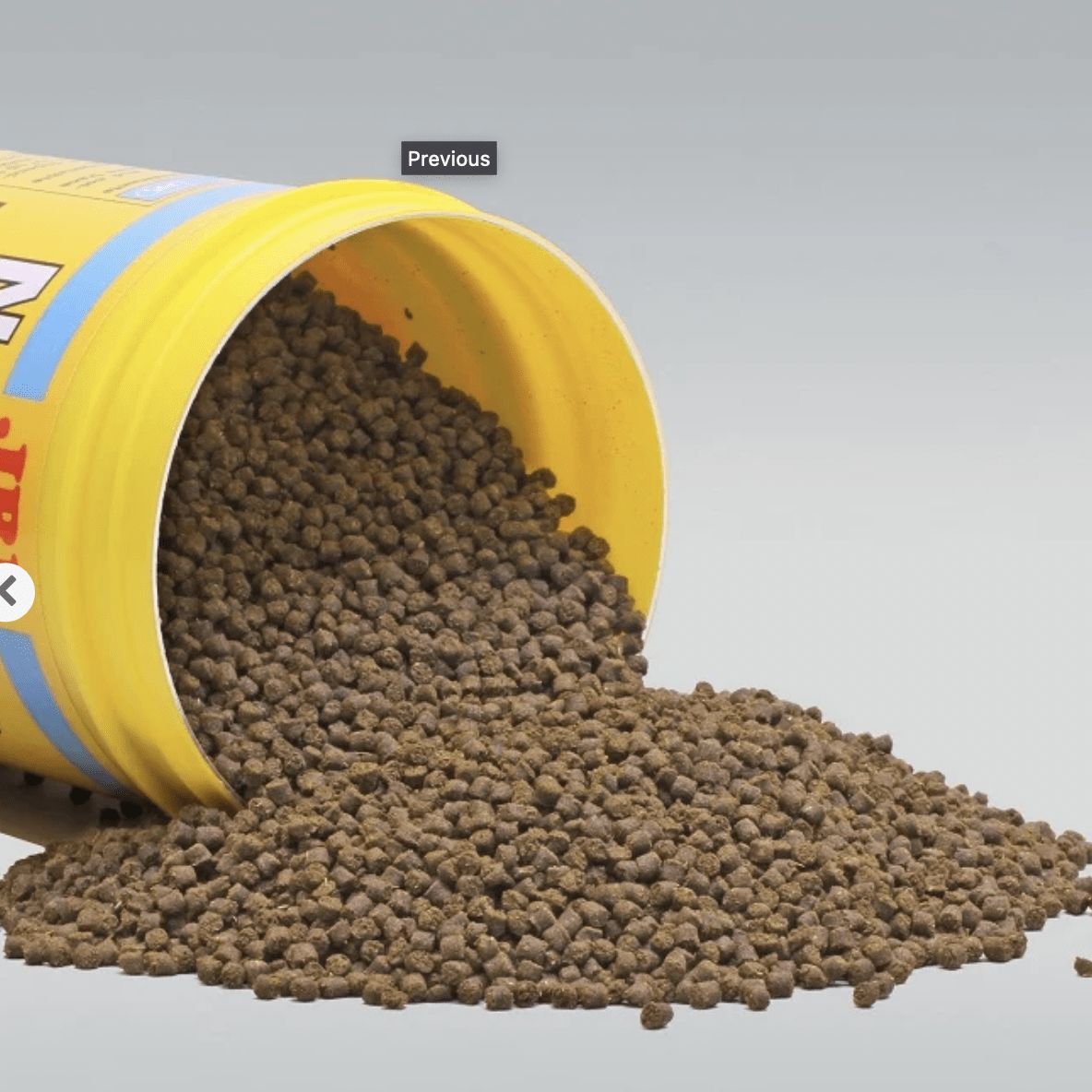
The extrusion die determines pellet diameter and shape, allowing manufacturers to produce different sizes according to fish growth stages.
For example:
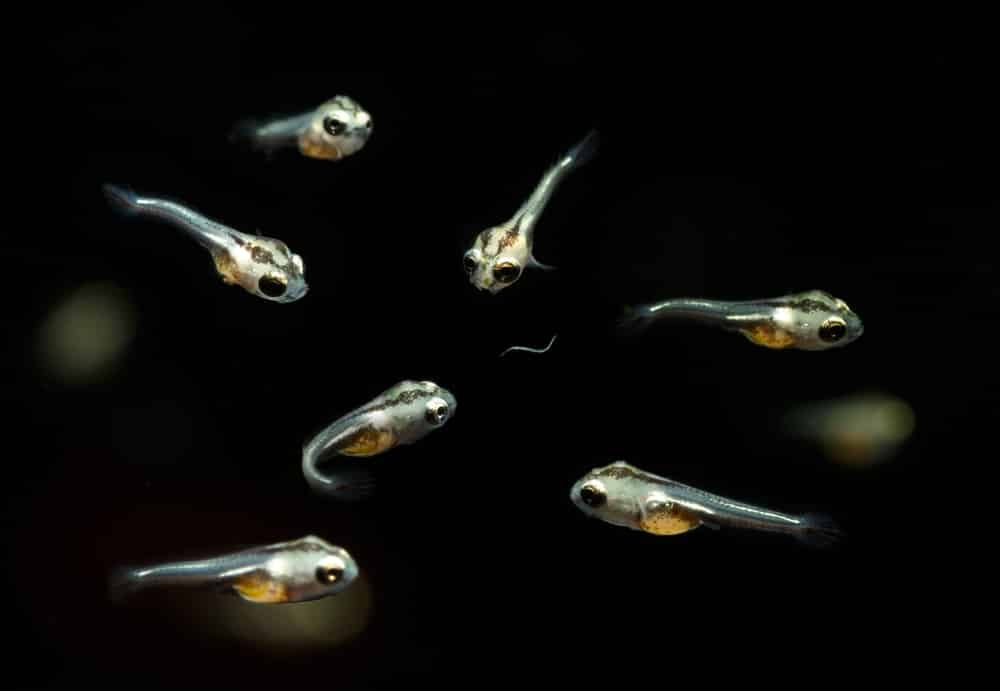
- Micro pellets for fish larvae
- Small pellets for juvenile fish
- Larger pellets for adult fish
Uniform pellet quality ensures consistent feeding performance and reduces sorting or waste problems.
6. Improving Feed Conversion Ratio
Feed conversion ratio (FCR) is a key measurement of aquaculture efficiency.
A lower FCR means fish require less feed to achieve the same growth performance.
Extrusion improves FCR through:
- Better digestibility
- Improved nutrient absorption
- Reduced feed loss
- Higher pellet stability
When fish utilize feed more efficiently, farmers can reduce feed costs while maintaining production targets.
For commercial aquaculture operations, improved FCR provides significant economic benefits.
7. Increasing Feed Formula Flexibility
Different fish species require different nutritional profiles and pellet characteristics. Extrusion technology provides manufacturers with greater flexibility in feed development.
A wide range of ingredients can be processed through extrusion, including:
- Fish meal
- Soybean meal
- Corn
- Wheat
- Rice bran
- Vegetable proteins
- Functional additives
By adjusting extrusion parameters, manufacturers can produce specialized feed products for different species and farming systems.
This flexibility allows aquafeed companies to respond quickly to market demand and customer requirements.
8. Improving Feed Safety and Storage Performance
Feed quality is closely related to storage stability and product safety.
During extrusion, high temperatures help reduce microbial contamination and improve feed hygiene.
Extruded feed also offers better storage characteristics because it typically has:
- Lower moisture after drying
- Stronger pellet structure
- Better durability
These advantages help extend shelf life and reduce losses during transportation and storage.
9. Supporting Sustainable Aquaculture Development
Sustainability has become a major focus in global aquaculture.
Extrusion technology contributes to sustainable fish farming by improving resource utilization.
Reducing Feed Waste
Stable pellets reduce feed loss and improve feeding efficiency.
Improving Nutrient Utilization
Better digestibility means fewer resources are needed to produce the same amount of fish.
Supporting Alternative Ingredients
Extrusion allows manufacturers to use more plant-based and sustainable raw materials.
These advantages help reduce the environmental impact of aquaculture production.
10. Improving Production Efficiency with Advanced Equipment
The performance of extrusion technology depends heavily on equipment quality.
A modern fish feed pellet extruder provides accurate control over key processing factors, including:
- Temperature
- Pressure
- Moisture
- Screw speed
- Feeding rate
Advanced extrusion equipment offers:
- Stable operation
- Higher production capacity
- Lower energy consumption
- Consistent product quality
When integrated with grinding, mixing, drying, cooling, and packaging systems, extrusion equipment can form a complete automated fish feed production line.
(Related machine: industrial aqua feed plant)
11. The Role of Automation in Feed Quality Improvement
Automation technology has greatly improved modern extrusion processes.
Automated systems can monitor and adjust production parameters in real time.
Important controlled factors include:
- Temperature changes
- Moisture levels
- Material flow
- Production speed
The advantages include:
- Reduced human error
- Improved process stability
- Faster adjustment
- More consistent feed quality
For large-scale feed manufacturers, automation is essential for maintaining high production standards.
12. Optimizing Extrusion Parameters for Better Feed Quality
To maximize the benefits of extrusion, manufacturers must carefully optimize processing parameters.
Temperature Control
Proper temperature improves starch gelatinization and nutrient availability.
Moisture Management
Correct moisture improves material flow and pellet expansion.
Pressure Adjustment
Suitable pressure creates strong and stable pellet structures.
Screw Speed Optimization
Balanced screw speed ensures efficient processing without damaging nutrients.
By controlling these factors, manufacturers can produce feed with consistent quality and performance.
Future Development of Fish Feed Extrusion Technology
As aquaculture continues to grow, extrusion technology will continue evolving.
Future trends include:
Intelligent Extrusion Systems
Digital monitoring and automatic adjustment will improve production precision.
Energy-Efficient Equipment
New designs will reduce energy consumption and operating costs.
Sustainable Feed Processing
Extrusion will support the use of environmentally friendly ingredients.
Customized Feed Solutions
More advanced control systems will enable production of specialized feeds for different aquatic species.
These developments will further improve fish feed quality and production efficiency.
Conclusion
Extrusion technology has significantly improved fish feed quality by enhancing digestibility, increasing water stability, improving floating performance, and providing greater flexibility in feed production. Through controlled processing conditions, extrusion transforms ordinary feed ingredients into high-performance aquatic feed products.
A reliable fish feed pellet extruder plays a central role in achieving these improvements. By accurately controlling heat, moisture, pressure, and mechanical processing, it enables manufacturers to produce consistent, nutritious, and durable feed pellets for different aquatic species.
As the aquaculture industry continues to expand, advanced extrusion technology will remain a vital tool for improving feed efficiency, reducing waste, and supporting sustainable fish farming worldwide.
(view our website: RICHI Manufacture )