

Waste wooden pallets are widely generated by warehouses, logistics companies, factories, and distribution centers. Once damaged or no longer needed, these pallets can become a difficult waste stream to handle.
When the wood is suitable for recycling, a properly designed processing system can reduce the pallets into smaller particles for use as biomass fuel or as raw material for further processing.
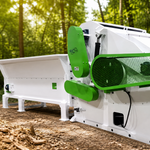
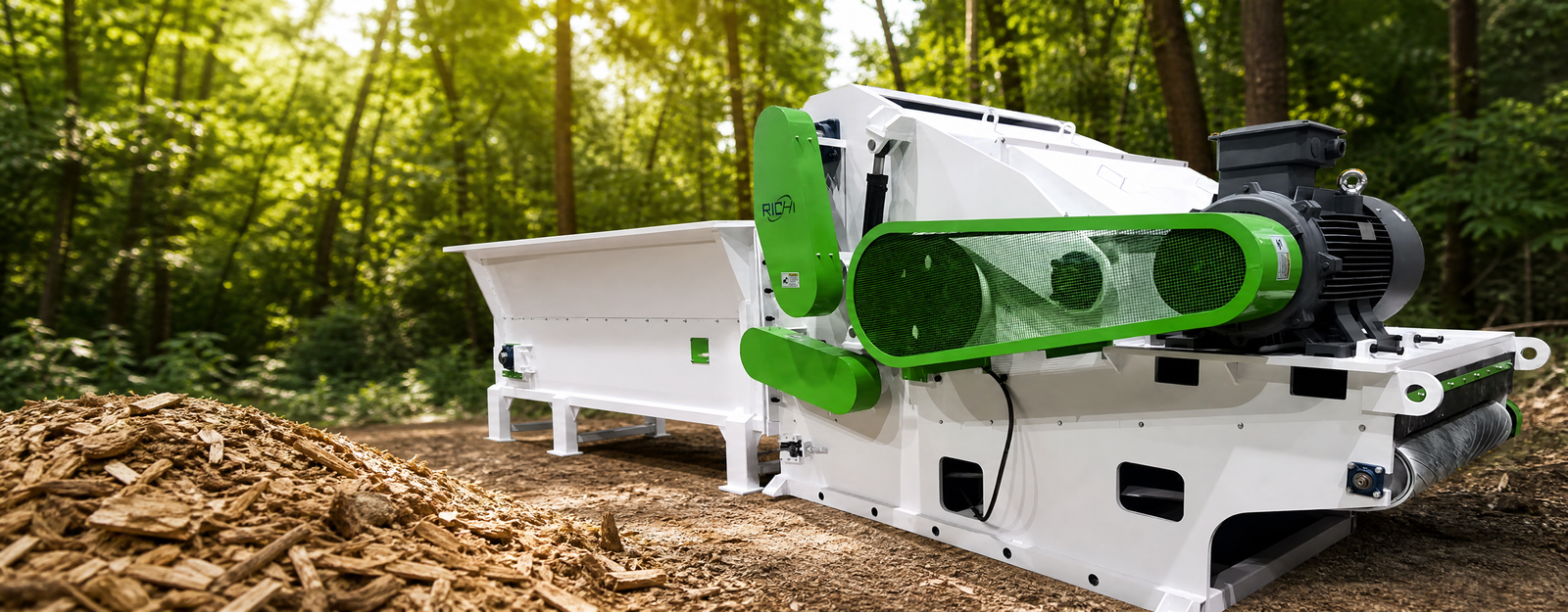
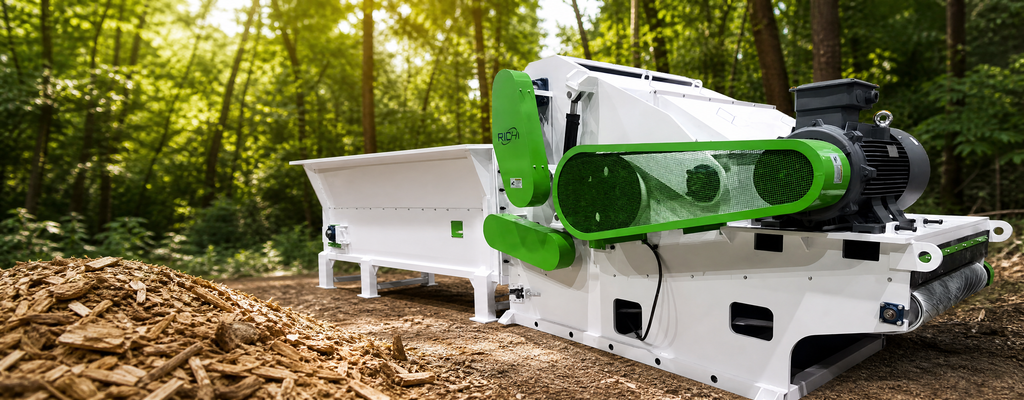
The first step is usually size reduction. A pallet crusher for biomass can break down large pallet structures into smaller wood pieces that are easier to transport, grind, and process.
Sorting and Preparing Used Pallets
Not every discarded pallet should immediately enter a crushing machine.
The incoming material should first be inspected and sorted. Wood that is heavily contaminated with chemicals, oil, paint, or other unsuitable substances may not be appropriate for fuel production.
Metal components are another important consideration. Nails, screws, and metal fittings can remain in used pallets, so a suitable separation process should be included before the material reaches fine grinding equipment.
After sorting, the usable wooden pallets can be prepared for size reduction.
Primary Crushing
Whole pallets are too large for most downstream biomass equipment. Primary crushing reduces the large boards and blocks into smaller pieces.
The required machine configuration depends on pallet dimensions, wood hardness, capacity, and desired output size.
For a small recycling operation, the system may be relatively simple. Larger facilities processing pallets continuously may require automatic feeding and conveying equipment to maintain a steady material flow.
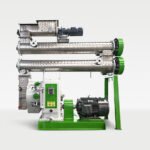
When comparing different crushing configurations, buyers can also consider a 5T/H wood chip pellet machine when the final goal is to convert processed wood into dense biomass fuel pellets.
The objective of this stage is not necessarily to produce a final particle size. Instead, it prepares the material for subsequent processing.
Fine Grinding
After primary crushing, the wood pieces can be sent to a hammer mill or another suitable grinding machine.
Fine grinding creates a more consistent particle size, which is especially important when the material will later be compressed into pellets.
The final particle size should be selected according to the requirements of the pelletizing equipment. Oversized particles can interfere with feeding and reduce the stability of pellet formation.
Moisture Control
Moisture is another factor that needs to be evaluated.
Pallets stored indoors may already have a relatively low moisture content, while pallets exposed to rain or outdoor conditions can contain considerably more moisture.
If the material is too wet for stable pellet production, a drying system may be installed. If the material is already sufficiently dry, additional drying may not be necessary.
This is why moisture testing should be carried out before deciding whether a dryer is required.
Pelletizing the Processed Wood
Once the crushed and ground pallet wood reaches a suitable particle size and moisture level, it can be processed into biomass pellets.
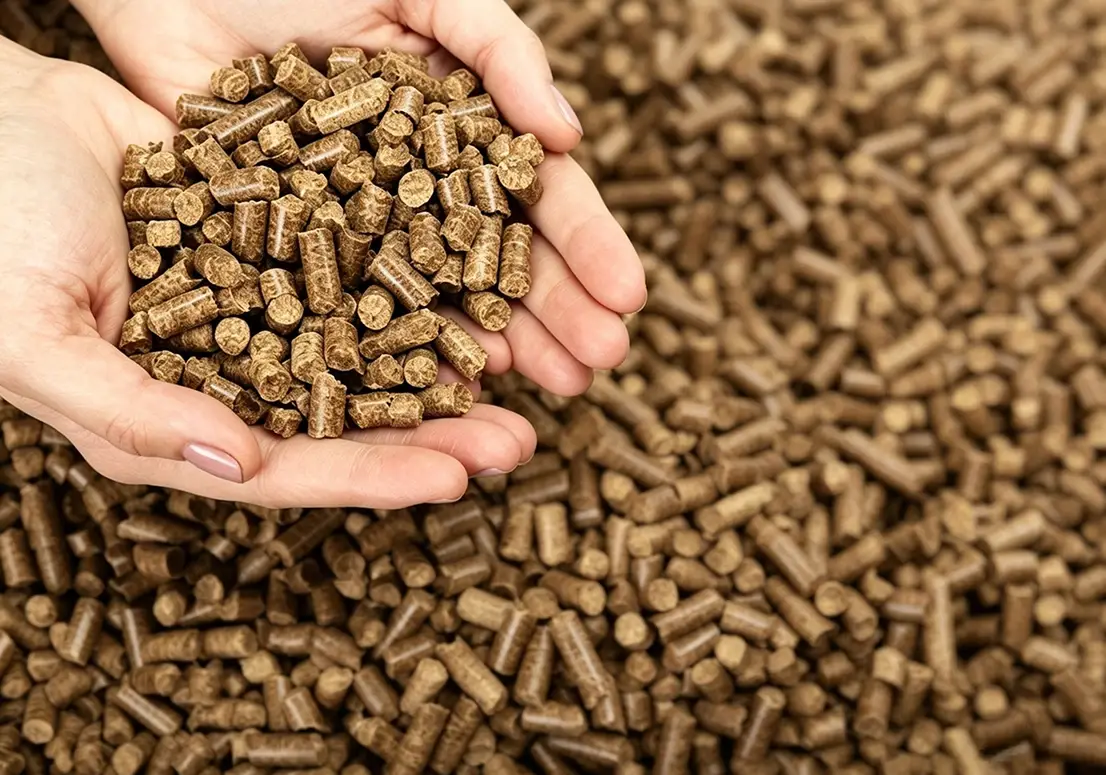
A pellet making machine compresses the prepared material through a die under mechanical pressure. The result is a denser cylindrical fuel product that is easier to store and transport than loose wood residues.
Pellet diameter can be adjusted by selecting an appropriate die. The actual production capacity depends on the raw material, moisture, particle size, machine configuration, and operating conditions.
For larger projects, the pellet mill can be integrated with feeding, conveying, cooling, screening, and storage equipment.
Cooling and Screening
Fresh pellets leave the pellet mill at an elevated temperature because of compression and friction.
A cooling system reduces their temperature before storage. Screening then separates loose fines and undersized particles from the finished pellets.
The fines can potentially be returned to the production process, depending on the overall plant design.
This combination helps produce a more consistent final product and reduces the amount of loose material entering storage or packaging.
Example Processing Flow
A typical waste-pallet biomass project can follow this sequence:
Waste pallet collection → sorting → metal removal → primary crushing → fine grinding → drying when required → pelletizing → cooling → screening → storage
The exact equipment configuration should be adapted to the incoming pallet condition and the intended final product.
For example, a facility producing wood chips may stop after crushing and screening, while a biomass fuel producer may continue through grinding and pelletizing.
Planning the Equipment System
Before purchasing equipment, several details should be confirmed:
- Daily pallet availability
- Average pallet dimensions
- Wood type and condition
- Presence of nails and other metal
- Moisture content
- Required output size
- Target production capacity
- Final product application
- Required level of automation
These details help determine whether the project needs only a crusher or a complete biomass processing system.
Waste pallets can provide a useful source of recovered wood when the material is properly sorted and processed. With suitable size reduction, moisture control, and pelletizing equipment, discarded pallets can be converted into a more convenient biomass fuel product.
For additional information about biomass processing equipment and project configuration, resource materials can provide useful guidance before equipment selection.
Related Post: https://pelletizerequipment.com/sawdust-pellet-machine-for-sale/