

Bentonite cat litter is one of the most widely used types of cat litter because of its excellent absorbency, swelling properties, and ability to form solid clumps after contact with liquid. For cat litter manufacturers, bentonite provides a reliable mineral-based raw material that can be processed into different particle sizes and grades according to market requirements.
Although bentonite cat litter is a relatively simple product for consumers to use, commercial manufacturing involves several carefully controlled processes. The quality of the finished litter depends on the characteristics of the bentonite ore, crushing and grinding, moisture control, granulation, drying, screening, dust removal, and packaging.
A modern cat litter production plant can integrate these processes into a continuous production system. Depending on the desired product, the plant may include raw material receiving equipment, crushers, grinders, mixers, granulators, dryers, coolers, screening machines, dust collectors, coating systems, and automatic packaging machines.
This article explains how bentonite cat litter is made step by step, from mining and raw material preparation to finished product packaging and quality control.
1. What Is Bentonite Cat Litter?
Bentonite cat litter is a mineral-based cat litter made primarily from bentonite clay.
Bentonite is a type of clay rich in swelling minerals, particularly smectite minerals such as montmorillonite. When exposed to water, suitable bentonite can absorb moisture and expand significantly.
This property makes bentonite particularly useful for cat litter.
When a cat urinates on clumping bentonite litter, the particles absorb the liquid and swell. The treated material can form a relatively compact clump that can be removed from the litter box.
This is one of the main reasons bentonite cat litter remains popular among cat owners.
2. Why Is Bentonite Suitable for Cat Litter?
Bentonite offers several properties that are valuable in cat litter production.
High Absorption
Bentonite can absorb liquid and expand after contact with moisture.
Clumping Ability
Suitable sodium bentonite can form relatively strong clumps, making waste removal easier.
Particle Flexibility
The material can be processed into different particle sizes.
Availability
Bentonite deposits exist in many regions, allowing manufacturers to source suitable mineral materials.
Simple Storage
Once properly processed and dried, bentonite cat litter can be stored relatively easily in suitable packaging.
However, not every bentonite deposit has the same performance. Mineral composition, moisture, particle size, and processing characteristics all influence the final product.
3. Different Types of Bentonite
Bentonite is not a single uniform material.
The main types include:
- Sodium bentonite
- Calcium bentonite
- Other mineral compositions
Sodium bentonite is generally associated with stronger swelling and clumping performance.
Calcium bentonite can also absorb moisture, but its swelling characteristics may differ.
For manufacturers, the choice of raw material should therefore be based on laboratory testing rather than simply the word “bentonite.”
4. Selecting Suitable Bentonite Ore
The first step in producing bentonite cat litter is selecting appropriate raw material.
Manufacturers should evaluate:
- Mineral composition
- Montmorillonite content
- Swelling capacity
- Liquid absorption
- Clumping performance
- Moisture
- Particle characteristics
- Impurities
The raw material should also be free from unsuitable contaminants.
Consistent mineral quality is important because changes in ore characteristics can lead to changes in finished cat litter performance.
5. Mining and Raw Material Transportation
Bentonite is generally obtained through mining.
After extraction, the raw material is transported to a processing facility.
At this stage, the material may contain:
- Large mineral pieces
- Stones
- Soil
- Oversized particles
- Different moisture levels
The raw material therefore needs to be processed before it can become finished cat litter.
A well-designed cat litter production plant should include an efficient raw material receiving and storage system.
6. Raw Material Storage
The extracted bentonite should be stored appropriately before processing.
Storage areas should protect the material from:
- Rain
- Excessive moisture
- Contamination
- Mixing of different grades
Moisture management is important because bentonite can absorb water from the surrounding environment.
If raw material moisture varies considerably, the drying process may become less stable.
Separate storage areas can also be used for different grades of bentonite.
7. Crushing the Bentonite
The first mechanical processing step is usually crushing.
Large pieces of bentonite ore are reduced into smaller particles.
Crushing makes the material easier to:
- Convey
- Grind
- Mix
- Dry
- Granulate
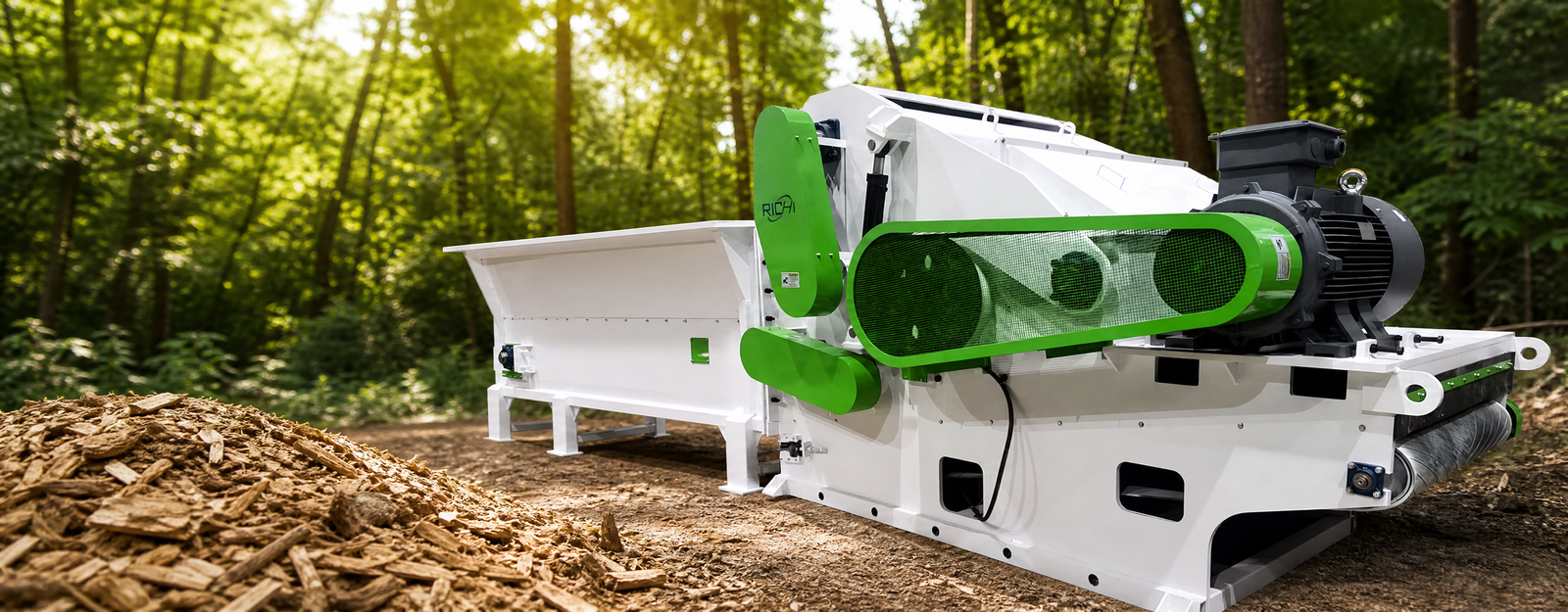
Depending on the feed size and plant design, crushers may include jaw crushers, hammer crushers, or other suitable equipment.
The crusher should be selected according to the hardness and size of the raw material.
8. Grinding the Bentonite
After crushing, the material may be ground further.
Grinding reduces the particle size and creates a more uniform material for subsequent processing.
Grinding can influence:
- Granulation
- Absorption
- Pellet consistency
- Product appearance
- Drying efficiency
However, excessive grinding is not always beneficial.
Overly fine powder can increase dust and energy consumption.
Therefore, the grinding process should be optimized according to the desired cat litter particle size and granulation technology.
9. Screening the Ground Material
After grinding, the bentonite can be screened to separate particles according to size.
Oversized particles can be returned to the grinding system.
Fine particles can proceed to mixing or granulation.
Screening helps create a more consistent feedstock for the next processing stage.
An efficient material circulation system can reduce waste and improve overall production efficiency.
10. Adding Water and Adjusting Moisture
Moisture plays an important role in bentonite granulation.
If the material is too dry, it may not form strong granules.
If it is too wet, drying costs increase and the granules may become unstable.
Therefore, water may be added in a controlled manner during the mixing or granulation process.
The ideal moisture level depends on:
- Bentonite characteristics
- Particle size
- Granulator type
- Desired pellet size
- Drying system
Production parameters should be determined through testing.
11. Mixing Bentonite With Other Materials
Not every bentonite cat litter product contains only bentonite.
Manufacturers may add suitable materials to adjust:
- Absorption
- Clumping
- Density
- Odor control
- Color
- Dust
- Product appearance
Potential additives can include:
- Activated carbon
- Mineral additives
- Odor-control materials
- Suitable binders
- Fragrance ingredients
The exact formula depends on the product positioning.
12. Granulating Bentonite
Granulation is one of the most important stages in bentonite cat litter manufacturing.
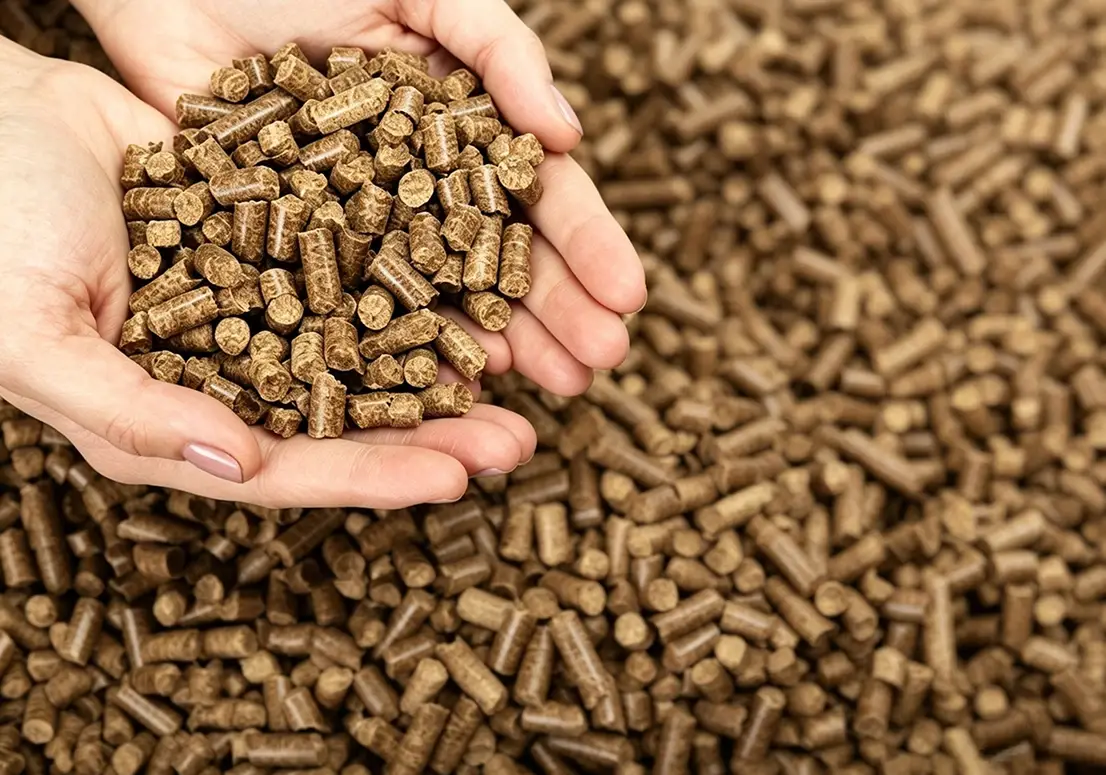
The objective is to transform fine bentonite powder into particles of relatively uniform size.
Different granulation technologies can be used depending on the desired product.
Possible equipment includes:
- Disc granulator
- Drum granulator
- Specialized mineral granulator
- Other suitable granulation systems
The granulation process controls the basic particle shape and size distribution.
https://pelletisingmachine.com/cat-litter-pellet-machine
13. How Bentonite Granules Are Formed
During granulation, fine bentonite particles come together under controlled moisture and mechanical movement.
Small particles adhere to each other and gradually form larger granules.
The process may involve:
Fine Material → Moisture Addition → Agglomeration → Granule Formation → Size Control
Operators need to control:
- Water addition
- Feed rate
- Rotation speed
- Material residence time
- Granulator condition
These parameters affect the final particle size distribution.
14. Controlling Cat Litter Particle Size
Particle size is an important commercial characteristic.
Different markets may prefer:
- Fine-grain litter
- Medium-grain litter
- Coarse-grain litter
Particle size can influence:
- Cat acceptance
- Absorption speed
- Clumping
- Dust
- Tracking
- Product appearance
A screening system after drying can separate particles into different grades.
Oversized particles can be crushed or returned to the process when appropriate.
15. Drying the Bentonite Granules
Freshly granulated bentonite contains moisture.
Drying reduces the moisture content to a suitable level.
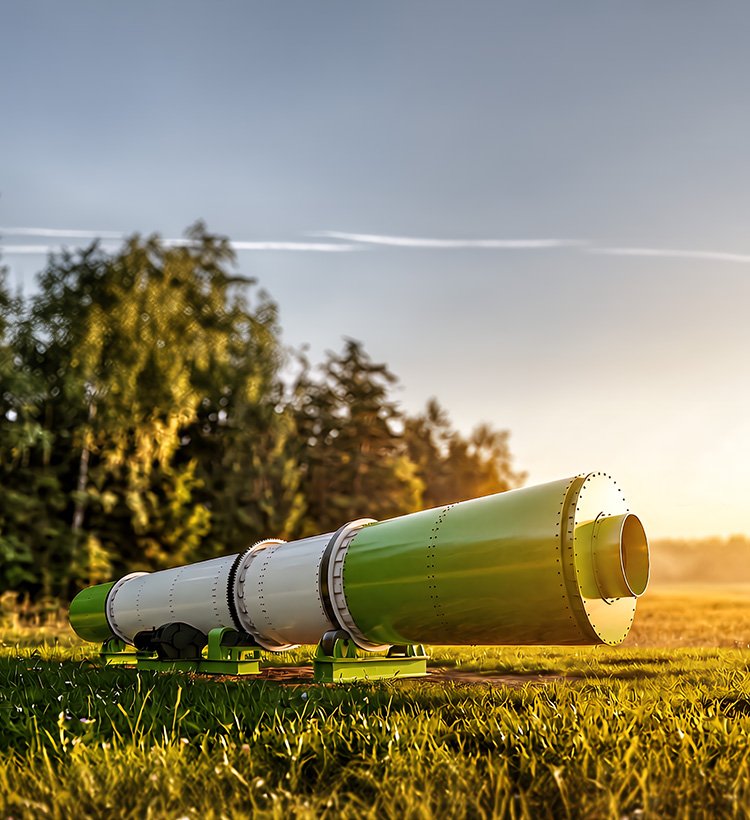
A rotary dryer can be used in many industrial production systems.
During drying, hot air passes through the material and removes moisture.
Proper drying can improve:
- Storage stability
- Granule strength
- Handling
- Packaging performance
However, excessive heating should be avoided.
The drying conditions should be optimized so that the final product maintains the desired absorption and clumping properties.
16. Why Moisture Control Is So Important
Moisture affects nearly every stage of production.
During Granulation
The correct moisture level helps particles form stable granules.
During Drying
Excessive moisture increases energy consumption.
During Storage
High residual moisture can reduce product stability.
During Packaging
Moisture can cause the litter to absorb humidity and form unwanted lumps.
Therefore, moisture should be monitored throughout the production process rather than checked only at the end.
17. Cooling the Finished Granules
After drying, the bentonite granules may have an elevated temperature.
Cooling allows the material to reach a suitable temperature before screening and packaging.
A cooler can also help stabilize the finished product.
Proper cooling reduces the risk of:
- Condensation
- Packaging problems
- Product degradation
- Excessive heat accumulation
Commercial plants generally use mechanical cooling equipment for continuous operation.
18. Final Screening
After cooling, the granules are screened again.
This final screening stage separates:
- Fine particles
- Correctly sized litter
- Oversized granules
- Broken particles
The correctly sized product is sent to packaging.
Oversized particles can potentially be returned for further processing.
Fine material may also be recycled depending on its characteristics.
This recycling system can improve raw material utilization.
19. Dust Removal
Dust is a major quality concern for mineral cat litter.
Excessive dust can occur during:
- Crushing
- Grinding
- Granulation
- Screening
- Conveying
- Packaging
Dust collection systems can therefore be integrated throughout the plant.
Common equipment may include:
- Cyclone collectors
- Baghouse filters
- Local exhaust systems
Good dust control improves the working environment and reduces material loss.
20. Odor Control
Bentonite itself does not necessarily eliminate all unpleasant odors.
Manufacturers may therefore incorporate suitable odor-control materials.
Possible options include:
Activated Carbon
Its porous structure can adsorb certain odor molecules.
Mineral Additives
Certain minerals can contribute to odor management.
Fragrance
Some commercial products use fragrance to provide a particular consumer experience.
However, additives should be selected and dosed carefully for pet-product applications.
21. Producing Clumping Bentonite Cat Litter
Clumping performance is one of the most important characteristics of bentonite cat litter.
A good clumping product should:
- Absorb urine quickly
- Form a relatively stable clump
- Minimize liquid penetration into the bottom of the litter box
- Allow easy removal
- Produce limited breakage during cleaning
The final performance depends on the quality of the bentonite and the processing conditions.
Not all bentonite ore will produce the same clumping performance.
22. Improving Clumping Performance
Several factors influence clumping.
Bentonite Quality
The mineral composition is fundamental.
Particle Size
Particle-size distribution affects liquid penetration and clump formation.
Moisture
Excessive moisture can affect storage and processing.
Granulation
Uniform granules can improve product consistency.
Additives
Suitable binders or other functional materials may be used in some formulations.
Manufacturers should conduct actual clumping tests before commercial production.
23. Testing Absorption Performance
Absorption should be tested before the product enters the market.
A simple product evaluation can examine:
- How quickly the litter absorbs liquid
- How much liquid it can retain
- Whether liquid spreads through the litter
- How well the clump holds together
- Whether the clump can be removed easily
Laboratory testing can provide more consistent and repeatable results.
24. Testing Dust Content
Dust testing is also important.
Excessive fines can reduce product quality.
Dust can be influenced by:
- Grinding
- Granulation
- Drying
- Screening
- Mechanical handling
To reduce dust, manufacturers can optimize particle formation and install appropriate dust collection equipment.
Careful packaging and transportation can also reduce pellet breakage.
25. Packaging Bentonite Cat Litter
After final screening and quality control, the finished litter is packaged.
Common packaging formats include:
- 5 kg bags
- 10 kg bags
- 15 kg bags
- Large bulk bags
The exact package size depends on the target market.
Packaging materials should protect the product from:
- Moisture
- Humidity
- Contamination
- Mechanical damage
Automatic weighing and packaging systems can significantly improve commercial production efficiency.
26. Storage of Finished Bentonite Cat Litter
Finished cat litter should be stored in a dry warehouse.
Important storage practices include:
- Keep bags away from water
- Avoid high humidity
- Use pallets when appropriate
- Maintain good ventilation
- Prevent contamination
- Follow first-in, first-out inventory management
Although bentonite cat litter is relatively stable when properly dried, it can absorb moisture from humid environments.
Therefore, warehouse conditions remain important.
27. Quality Control in Bentonite Cat Litter Production
A professional manufacturer should establish quality-control procedures throughout the production process.
Important indicators include:
Raw Material
- Mineral composition
- Moisture
- Absorption capacity
- Swelling properties
Granules
- Particle size
- Density
- Strength
- Moisture
Finished Product
- Clumping performance
- Liquid absorption
- Dust level
- Odor control
- Appearance
- Packaging quality
Consistent testing helps ensure that every production batch meets the intended specification.
28. Bentonite Cat Litter Production Process Flow
A typical manufacturing process can be summarized as:
Bentonite Mining
↓
Raw Material Storage
↓
Crushing
↓
Grinding
↓
Screening
↓
Mixing and Moisture Adjustment
↓
Granulation
↓
Drying
↓
Cooling
↓
Final Screening
↓
Odor-Control Treatment
↓
Packaging
↓
Finished Product Storage
Not every factory will use exactly the same configuration. The process should be adjusted according to raw material properties and product specifications.
29. Equipment Needed for a Bentonite Cat Litter Plant
A commercial production system may include:
Raw Material Equipment
- Receiving hopper
- Belt conveyors
- Storage silos
- Feeders
Crushing and Grinding Equipment
- Crusher
- Hammer mill
- Roller mill or other suitable grinder
Mixing and Granulation Equipment
- Mixer
- Water addition system
- Disc granulator
- Drum granulator or other suitable equipment
Drying and Cooling Equipment
- Rotary dryer
- Hot-air furnace
- Cooler
Screening Equipment
- Vibrating screen
- Rotary screen
Environmental Equipment
- Cyclone
- Baghouse dust collector
- Ventilation system
Packaging Equipment
- Automatic weighing machine
- Bagging machine
- Sealing machine
- Palletizing system
The exact equipment configuration should be based on plant capacity and product requirements.
(Learn about RICHI cat litter machine )
30. Small-Scale Bentonite Cat Litter Production
Small manufacturers do not necessarily need a fully automated factory.
A compact system may include:
Crusher → Grinder → Mixer → Granulator → Dryer → Screener → Packing Machine
Some material handling operations can be completed manually.
This approach can be useful for businesses testing a new market.
As demand increases, automatic conveying, feeding, screening, and packaging systems can be added.
31. Large-Scale Bentonite Cat Litter Production
A large commercial plant may use a fully integrated system.
A typical layout could include:
- Raw material receiving
- Storage
- Crushing
- Grinding
- Screening
- Automatic batching
- Mixing
- Granulation
- Drying
- Cooling
- Screening
- Dust collection
- Coating
- Packaging
- Palletizing
PLC control can be used to monitor important production parameters.
Automation helps reduce labor requirements and improve consistency.
32. How to Improve Bentonite Cat Litter Quality
Manufacturers can improve product quality by focusing on several areas.
Use High-Quality Bentonite
The raw material determines the basic performance.
Control Particle Size
A consistent particle-size distribution improves product uniformity.
Optimize Granulation
Avoid excessive fines and oversized granules.
Control Moisture
Stable moisture improves both processing and storage.
Improve Dust Collection
Efficient dust removal improves the working environment and product quality.
Maintain Equipment
Worn or poorly adjusted equipment can reduce production stability.
33. How to Reduce Bentonite Cat Litter Production Costs
Cost control is important for commercial manufacturers.
Several strategies can help.
Optimize Raw Material Procurement
Source suitable bentonite locally where possible.
Reduce Over-Grinding
Excessive grinding increases energy consumption.
Improve Drying Efficiency
Use an appropriately sized dryer and optimize heat utilization.
Recycle Suitable Fines
Return usable fines to the process when appropriate.
Reduce Material Losses
Improve conveyors, screening, and packaging.
Maintain Equipment
Well-maintained machinery generally operates more efficiently.
The lowest raw material price should not be the only consideration. Poor-quality ore may increase processing costs and reduce finished product performance.
34. Choosing the Right Cat Litter Production Plant
When planning a bentonite cat litter factory, manufacturers should consider:
Raw Material
What type and grade of bentonite is available?
Production Capacity
How many tons per hour are required?
Product Grade
Will the factory produce economy, standard, or premium litter?
Particle Size
What particle sizes are required?
Packaging
What bag sizes and packaging formats will be used?
Automation
How much manual labor is available?
Factory Space
How much room is available for equipment and storage?
Future Expansion
Will production capacity increase later?
These factors determine the most appropriate plant configuration.
35. RICHI Bentonite Cat Litter Production Solutions
RICHI Machinery Manufacture provides customized equipment and turnkey engineering services for cat litter manufacturing projects.
A cat litter production plant can be designed according to:
- Bentonite characteristics
- Desired production capacity
- Particle size
- Product formulation
- Drying requirements
- Packaging specifications
- Factory layout
- Automation level
A typical production system may include:
Raw Material Receiving → Crushing → Grinding → Mixing → Granulation → Drying → Cooling → Screening → Coating → Packaging
RICHI can customize equipment selection according to the customer’s raw material testing results and finished-product requirements.
For commercial projects, the production system can integrate automatic conveying, feeding, dust collection, drying, cooling, screening, packaging, and electrical control.
Turnkey services can cover customized production line design, equipment manufacturing, overseas transportation and customs clearance, on-site installation and commissioning, operator training, spare parts supply, and long-term after-sales technical support.
This approach allows customers to establish a complete bentonite cat litter manufacturing system rather than purchasing individual machines without considering the overall process.
36. Step-by-Step Summary of Bentonite Cat Litter Production
The entire manufacturing process can be summarized in the following steps:
Step 1: Select Suitable Bentonite
Test mineral composition, swelling capacity, absorption, and clumping performance.
Step 2: Receive and Store the Ore
Keep the raw material dry and protected from contamination.
Step 3: Crush
Reduce large pieces into manageable particles.
Step 4: Grind
Produce a suitable particle size for granulation.
Step 5: Screen
Separate oversized and unsuitable particles.
Step 6: Mix and Adjust Moisture
Prepare the material for granulation.
Step 7: Granulate
Form the bentonite into particles of the required size.
Step 8: Dry
Remove excess moisture.
Step 9: Cool
Reduce product temperature.
Step 10: Screen Again
Separate finished granules from fines and oversized particles.
Step 11: Add Functional Treatments
Apply suitable odor-control or coating materials when required.
Step 12: Test the Product
Evaluate absorption, clumping, dust, moisture, and particle size.
Step 13: Package
Fill and seal the finished product.
Step 14: Store
Keep finished cat litter dry and protected from contamination.
Conclusion
So, how is bentonite cat litter made? The answer involves a carefully controlled mineral-processing and granulation process. It starts with selecting suitable bentonite ore and continues through crushing, grinding, screening, moisture adjustment, granulation, drying, cooling, final screening, optional odor-control treatment, and packaging.
The quality of the final product depends heavily on the original bentonite. High-quality swelling clay can provide strong absorption and clumping performance, but appropriate processing is still necessary to achieve consistent particle size, low dust, suitable density, and good storage stability.
A modern cat litter production plant can integrate all of these processes into a continuous and efficient manufacturing system. Equipment such as crushers, grinders, mixers, granulators, dryers, coolers, screening machines, dust collectors, and packaging machines can work together to transform raw bentonite into commercial cat litter.
For manufacturers, the most important factors are raw material quality, moisture control, particle-size distribution, granulation efficiency, drying performance, dust control, and finished-product testing. The production line should be customized according to the characteristics of the bentonite and the specifications of the final product.
With appropriate raw materials, reliable processing equipment, optimized production parameters, and effective quality control, manufacturers can produce bentonite cat litter with strong clumping ability, good absorption, consistent particle size, controlled dust, and stable storage performance. A well-designed production plant can also improve production efficiency, reduce material losses, and provide a scalable foundation for expanding cat litter manufacturing capacity.