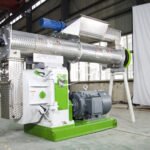


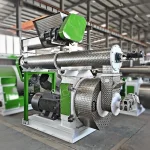
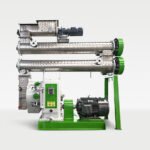
Maintenance readiness should be established before a feed pellet press begins its first production campaign. A plant may have a complete equipment installation but still lack an identified replacement component, an approved lubricant, a practical access arrangement, or a clear response when the machine stops unexpectedly. These gaps are easier to resolve while the commissioning plan can still be adjusted than during a pressured production interruption. For commercial buyers, the objective is to demonstrate that the receiving organization can inspect, support, and restore the installed equipment using the correct information and resources. A maintenance readiness review connects procurement promises with the practical conditions needed to keep production supportable.
Establish the Installed Equipment Register
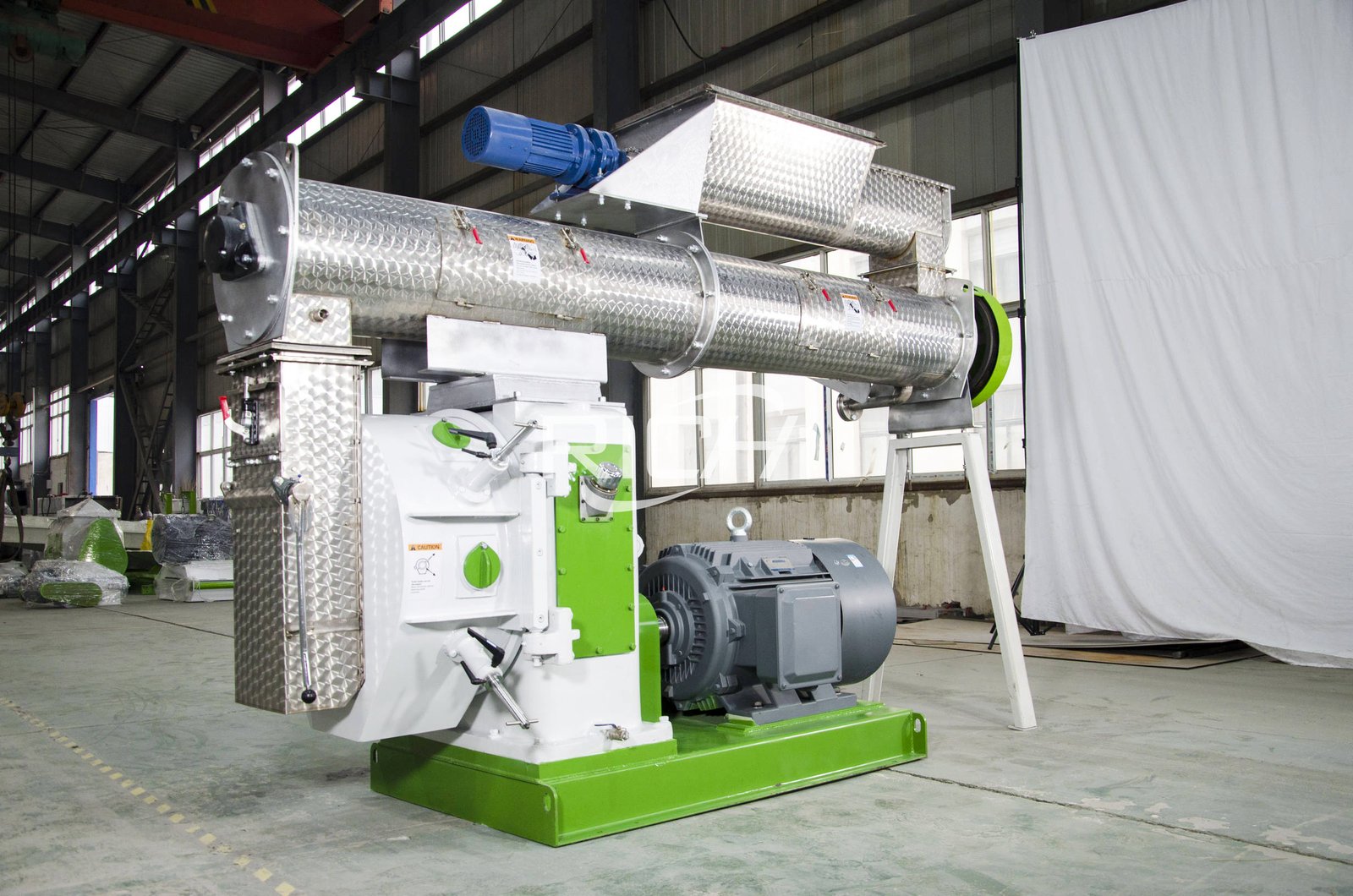
Create an equipment register that identifies the press and its associated feeders, drives, conditioning equipment where applicable, and local control arrangements. Link model and serial references with the relevant manuals, drawings, component lists, and supplier contacts. Record the actual installed configuration rather than assuming that every document in the delivery package applies to the supplied machine. Differences in die arrangements, bearings, drive components, or access details can affect the maintenance method and replacement-part specification.
When reviewing the feed pellet press equipment configuration with RICHI Machinery, translate the equipment scope into a site-specific support register. Identify which components are supplied by the equipment contractor and which belong to local utilities or integration work. Assign responsibility for each interface. A maintenance team should be able to identify the correct drawing and support contact without searching through an assortment of quotations and generic catalog pages while production is stopped. The readiness review should test that information path before it is urgently needed.
Select Spares by Consequence and Availability
A useful spare-parts list reflects the consequence of failure, the likelihood of needing the part, supply lead time, and the plant’s ability to replace it. Distinguish routine consumables from components whose absence could create a prolonged interruption. The buyer’s production pattern and maintenance resources matter: a component that can be sourced and fitted promptly in one location may require different stocking arrangements elsewhere. Record the reasoning behind each critical stock decision so it can be reviewed as operating history develops.
Confirm identification and compatibility before accepting a part into stock. A label describing a generic bearing or seal is not enough when the installed equipment requires a specific specification. Check the supplier’s approved part reference, applicable configuration, storage requirements, and accompanying documentation. Record substitutions only after the responsible technical authority has approved them. A spare that appears similar but cannot be installed correctly is not useful readiness. The review should also distinguish items physically available on site from items listed in a purchase order that has not yet arrived.
Prepare the Stores System and Reorder Decisions
Assign storage locations and maintain a record of available quantities, reserved items, and replenishment responsibility. Protect components according to the supplier’s storage instructions and the plant’s conditions. Parts can become unusable through poor storage even before the first production shift. Keep original identification with the item and connect issued parts to the relevant equipment record. This traceability supports warranty discussions, later compatibility checks, and the investigation of repeated replacement events.
Set a practical review process for consumption and lead times. Initial stocking decisions are planning assumptions; operating experience may show that certain items are used more or less often than expected. Maintenance and procurement should review that evidence together instead of treating the first supplied spare-parts package as a permanent solution. Where a component is shared across several machines, account for that common demand. Avoid a situation where the apparent spare for the pellet press has already been committed to another line but still appears available in an informal list.
Verify the Lubrication Plan Against Supplier Instructions
Build the lubrication plan from the installed equipment documentation. Identify the applicable points, approved lubricant specification, method, frequency, and responsibility. Different components may have different requirements, so a convenient plant-wide lubricant should not automatically be used everywhere. Resolve ambiguous or conflicting instructions with the supplier before startup. The readiness review should confirm that the correct products and dispensing equipment are present and that their labels can be understood by the people assigned to use them.
Include contamination control and recordkeeping. Keep dispensing tools appropriate to their assigned lubricant and storage conditions, and avoid uncontrolled mixing of products. Personnel should follow the approved equipment and site procedure, including isolation requirements where the task involves access or hazards. Do not improvise lubrication quantities or assume that adding more material corrects an abnormal temperature or noise. Record the observation and use the approved troubleshooting route. The purpose of the plan is controlled maintenance, not an invitation to experiment during commissioning.
Demonstrate Safe Access and Component Handling
Review the access needed for scheduled inspection and foreseeable replacement tasks. Identify working space, guarding arrangements, isolation points, handling equipment, and any lifting or access method specified for the installed machine. A component may be replaceable in principle while the actual site layout makes the approved method impractical. Detecting that problem before startup gives the buyer an opportunity to resolve integration or access issues without the pressure of an active production interruption.
Qualified personnel should review handling arrangements against the equipment documentation and site rules. Keep ratings, inspection status, and applicable instructions available for the equipment used. Do not make a demonstration by entering hazardous areas, removing protection, or improvising a lifting arrangement. Where a full replacement demonstration is unnecessary or unsuitable, a documented access review can still verify the required resources and identify unresolved steps. The acceptance record should say which parts of the method were demonstrated and which were reviewed rather than presenting every task as physically proven.
Create Inspection Routes That Produce Useful Evidence
Inspection routes should define the component, the observation, the approved method, and the escalation criteria. Include the normal reference condition where it has been established during commissioning. An instruction to check the machine is too broad to guide consistent observations across shifts. Conversely, an overly detailed route that cannot be completed reliably may encourage superficial recording. Design a practical schedule that distinguishes operator observations from maintenance inspections requiring specialist competence or equipment access.
Connect the route with the commissioning baseline. Document relevant initial observations such as component identity, approved settings, and conditions noted during the acceptance run. Preserve the measurement method so later observations can be compared meaningfully. If a condition was never measured, avoid creating a fictional normal value for the maintenance sheet. Record the gap and establish the appropriate reference using the supplier’s guidance and site procedure. The goal is to detect changes early without turning ordinary variation into an unexplained alarm or overlooking a meaningful deviation.
Define Response Plans for Likely Interruptions
Develop a response matrix for representative interruptions, using the supplier’s troubleshooting guidance and the site’s operating authority. Identify what information operators should preserve, the approved immediate action, and the role responsible for investigation. Distinguish ingredient or utility interruptions from suspected equipment faults without forcing operators to make a technical diagnosis beyond their competence. Clear communication can shorten the investigation because maintenance receives a useful event history instead of only a report that the machine stopped.
Establish who may authorize restart after maintenance or an abnormal event. The response plan should include the checks needed to confirm that the equipment is restored, protective arrangements are in place, and the process can return to its approved sequence. Repeated resets without an understood cause should not be treated as a maintenance strategy. Nor should production pressure authorize bypassing interlocks or guards. A supportable plant has a defined path from observation to investigation, corrective work, verification, and release, with each responsibility visible to the receiving organization.
Prepare Work Orders, Support Contacts, and Escalation
Use work orders or an equivalent record to connect the symptom, equipment identifier, observations, parts used, action taken, and verification result. Record the reason for replacing a component rather than documenting only that it was changed. If a fault reappears, this history helps the team distinguish unsuccessful diagnosis from a newly developed problem. Keep photographs or instrument records where they are useful and permitted, but make sure they remain tied to the correct equipment and event.
Confirm supplier support arrangements before the trial. The team should know which information is needed for a technical request, who sends it, and how the response is incorporated into the plant’s controlled documents. Record support availability and unresolved commercial assumptions without inventing a guaranteed response time. Where external service is necessary, identify how it is authorized and coordinated. Procurement, maintenance, and operations should share the same understanding of what support has actually been agreed, rather than discovering different expectations during the first significant interruption.
Review Warranty Evidence Without Losing Failure History
Keep commissioning records, component identities, installation evidence, and relevant operating history available for warranty or technical review. A replacement made under warranty should still appear in the maintenance record because the physical event and interruption remain important to reliability assessment. Preserve the distinction between a suspected cause and a confirmed finding. Unsupported claims about operator error, defective parts, or unsuitable material make the history less useful and can complicate communication with the supplier.
Link any approved technical change to document revisions and training. A revised component, lubricant specification, inspection method, or operating limit should not remain only in an email conversation with one engineer. Review its applicability, update the controlled record, and inform the affected personnel. Retain the earlier information so the plant can explain why practice changed. This creates a consistent support baseline and reduces the risk that one shift continues following an older instruction after another shift has adopted the supplier’s revised guidance.
Release Maintenance Readiness With Clear Outstanding Actions
Before startup, maintenance should confirm that the required documentation, critical resources, lubrication arrangements, access methods, and response responsibilities are ready for the planned production objective. Identify outstanding items and classify whether they block that objective. A missing critical component or an unresolved access problem should not disappear into a general handover note. Assign an owner and the evidence required for closure, and make the remaining limitation visible to the person authorizing the commissioning run.
This review does not eliminate every future equipment interruption. It establishes that the buyer has a practical system for observing, responding, and restoring the installed press without relying on improvised decisions. Once production begins, component exposure, event history, and supplier feedback can improve the initial plan. The useful acceptance outcome is a maintenance organization that understands its equipment and has the resources to support it, together with a documented list of uncertainties that still require attention after startup.

